Mercedes-Benz Sprinter Fleet Maintenance: Oil Change Intervals & PM Cycles for VS30 Diesel Vans in Philly Logistics

If you’re running a last-mile delivery fleet in Philadelphia, your Mercedes-Benz Sprinter VS30s aren't just vans: they are the revenue-generating backbone of your entire operation. But here’s the reality of the Philly grind: between the stop-and-go nightmare of the I-76 Schuylkill Expressway, the tight maneuvers through Manayunk, and the high-speed sprints along the I-95 corridor, your diesel engines are working twice as hard as the manual says they should.

In the logistics world, a parked van is a liability. But a van waiting two days for a "Service A" at a dealership? That’s an operational catastrophe. At MOMS Mobile Oil Change, we’re in the friction removal business. We don't just change oil; we eliminate the downtime that makes traditional maintenance models the "Blockbuster Video" of the automotive world.

Here is the deep-dive operational breakdown for managing VS30 Sprinter (2019+) maintenance cycles in the Greater Philadelphia area.


The VS30 Maintenance Blueprint: Service A vs. Service B

Mercedes-Benz designed the VS30 platform with the ASSYST PLUS system, a usage-based maintenance tracker that tells you when it’s time for a check-up. However, most Philly fleet managers prefer a fixed schedule to keep their logistics planning predictable.

Sprinter Service A vs Service B Comparison

Service A: The 10k/20k Baseline

For a diesel VS30, the first Service A typically hits at 10,000 miles (or one year), and then every 20,000 miles thereafter, alternating with Service B.

  • Full Synthetic Oil Change: We use premium 0W-30 or 5W-30 spec oil designed for diesel particulate filters (DPF).
  • Fleece Oil Filter Replacement: Standard paper filters don't cut it for 10k+ intervals; we use high-capacity fleece filters to handle the soot load.
  • Fluid Top-offs: DEF (Diesel Exhaust Fluid) is a major one here. If your driver ignores the DEF light on the Blue Route (I-476), that van is going into limp mode.
  • Multi-Point Inspection: We check brakes, suspension, and tire pressures specifically for heavy-load delivery profiles.

Service B: The Deep Dive

Service B occurs every 20,000 miles (starting at the 20k or 40k mark). It includes everything in Service A, plus:

  • Brake Fluid Exchange: Vital for heavy vans navigating the Conshohocken Curve and hilly Northwest Philly streets.
  • Cabin Air Filter Replacement: Our technicians often find these packed with city smog and debris.
  • Engine Air Filter Replacement: Keeping that turbo diesel breathing clean is essential for fuel economy.

The "Philly B20" Penalty: Why 20,000 Miles is a Myth

If you read the Mercedes manual, it might tell you that a 20,000-mile oil change interval is acceptable. In Philadelphia, that is a recipe for engine sludge.

Pennsylvania is a heavy biodiesel state. Much of the diesel at local pumps along the I-95 corridor contains up to B20 (20% biodiesel). While 2023+ Sprinters are rated for B20, Mercedes is very clear: high biodiesel content increases the risk of oil dilution and fuel system deposits.

B20 Biodiesel Filter Warning

MOMS Fleet Rule: If your vans are fueling up in the Philly metro area, you should half your oil change intervals to 10,000 miles.

Running 20,000 miles on B20-heavy oil degrades the additives and can lead to premature DPF (Diesel Particulate Filter) clogging. A forced DPF regeneration or a full replacement can cost thousands: an expense that far outweighs the cost of a proactive oil change.


Operational Breakdown: Managing DPF Health

The Diesel Particulate Filter is the most sensitive component of your Sprinter's exhaust system. For logistics fleets doing "last-mile" delivery, the engine often doesn't stay at high enough temperatures to naturally "burn off" the soot.

When your drivers are idling during deliveries in Ambler or sitting in traffic on the Schuylkill Expressway, the DPF is filling up.

  1. Fuel Filter Maintenance: We replace fuel filters every 20,000 miles to ensure no contaminants reach the high-pressure injectors.
  2. Battery Health: Modern Sprinters rely on complex electrical systems for emissions sensors. We perform battery health checks at every visit to ensure your vans start on the first crank every morning.
  3. Wiper Blades: Don't let a $30 part ground a van. We replace windshield wipers on-site during our PM cycles, ensuring your drivers have 100% visibility during those sudden Delaware Valley downpours.

The Downtime Trap: Why Logistics Fleets are Switching to MOMS

Traditional maintenance requires you to:

  1. Have a driver take the van to a dealership in Fort Washington or West Chester.
  2. Have a second "chase" vehicle follow them to bring the driver back.
  3. Wait 24–48 hours for the shop to get to the van.
  4. Repeat the process to pick it up.

That’s 4–6 man-hours of lost productivity and two days of zero revenue for that asset.

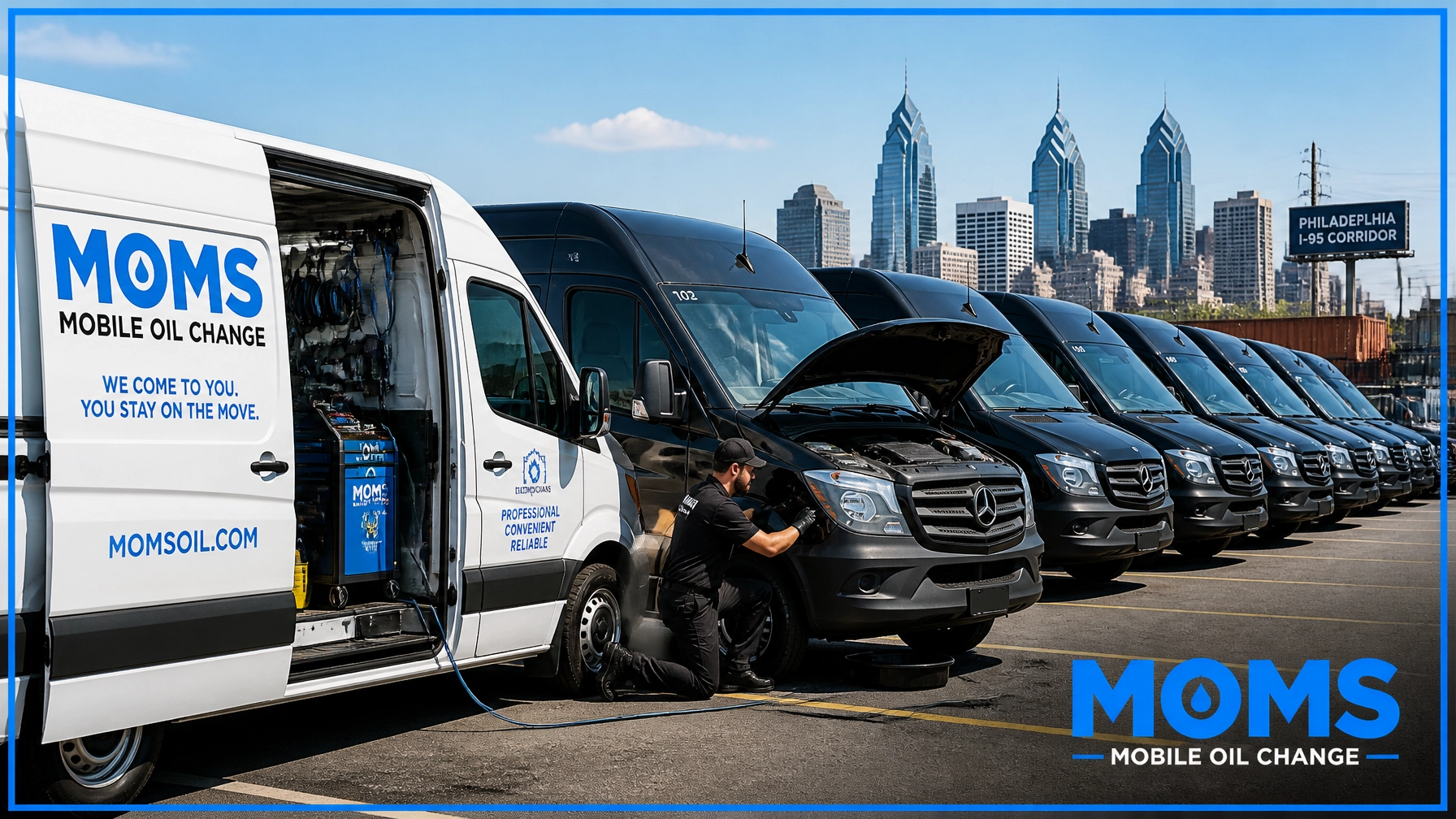
MOMS Mobile Oil Change flips the script. We come to your depot in Ambler, Lansdale, or South Philly. We can batch-service 5, 10, or 20 Sprinters overnight or during your "off-sort" hours.

MOMS Mobile Oil Change On-Site Fleet Service

Our certified technicians bring the dealership experience directly to your parking lot. We use Mobil 1 premium synthetic oil and OEM-spec filters, ensuring your warranty stays fully intact while your vans stay on the road.


Conclusion: Professional Maintenance for Professional Fleets

Managing a Mercedes-Benz Sprinter fleet in Philadelphia requires more than just "getting the oil changed." It requires a technical understanding of VS30 PM cycles, the impact of local B20 biodiesel, and the logistical foresight to minimize downtime.

Stop wasting hours at the dealership. Whether you’re operating out of Montgomery County, Bucks County, or the heart of Philadelphia, MOMS Mobile Oil Change provides the high-quality, professional care your Sprinters deserve.

Ready to optimize your fleet's uptime?
Schedule your on-site fleet maintenance today and let us handle the friction while you handle the deliveries.
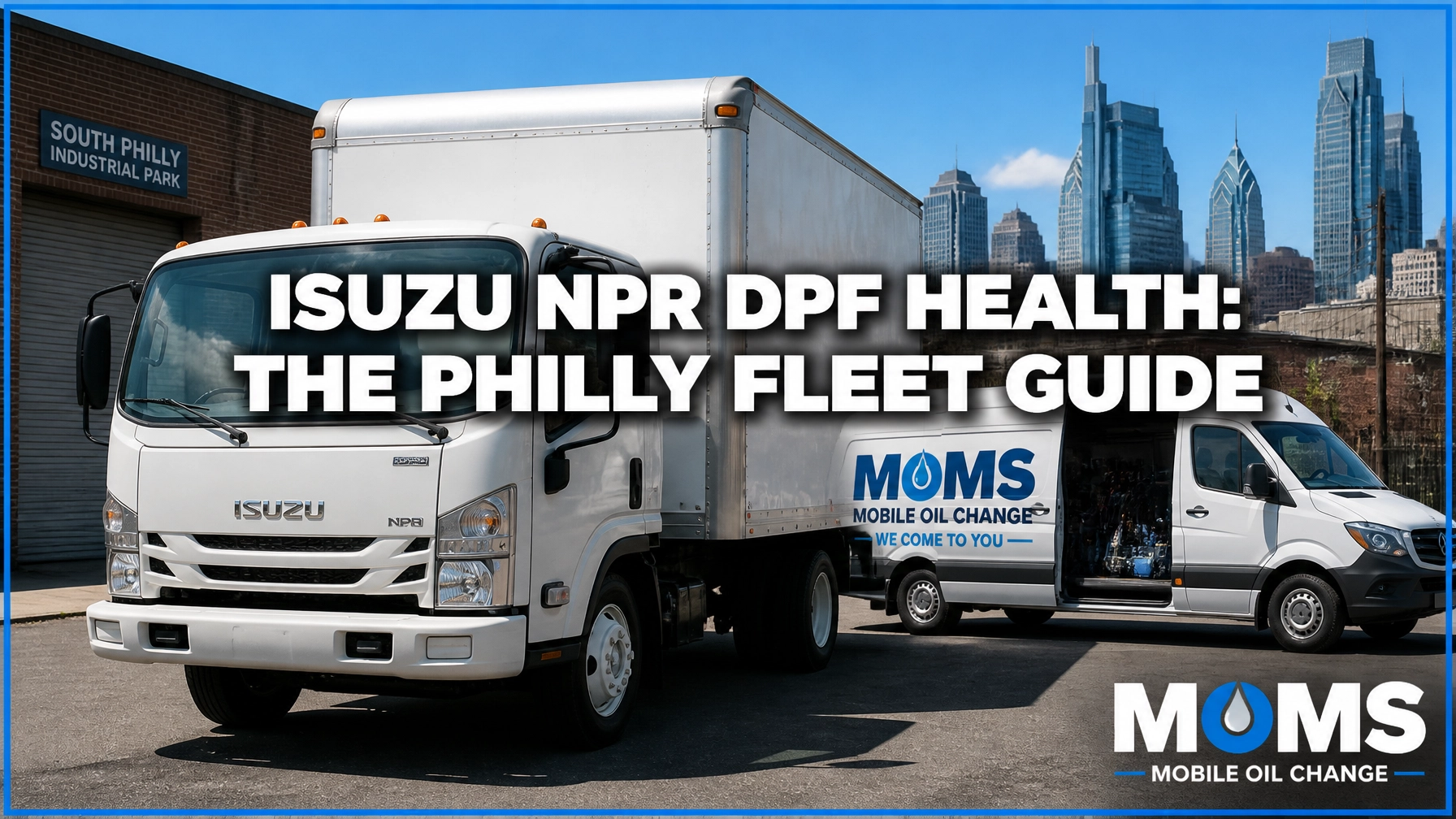
Managing Diesel Particulate Filter (DPF) Health in Isuzu NPR Fleet Trucks: A Philadelphia Operations Guide

If you operate a fleet of Isuzu NPR or N-Series trucks in the Greater Philadelphia area, you already know the "Conshohocken Curve" isn’t just a traffic nightmare: it’s a silent killer for your diesel exhaust system.

Running a medium-duty fleet in a landscape that fluctuates between the high-speed sprints of I-95 and the soul-crushing stop-and-go of the Schuylkill Expressway (I-76) creates a unique operational challenge. Specifically, it creates a DPF nightmare.

At MOMS Mobile Oil Change, we don’t just change oil; we manage the lifecycle of your assets. For the Isuzu NPR, that lifecycle is dictated by the health of the Diesel Particulate Filter. If you’re waiting for the "Limp Mode" light to turn your $70,000 truck into a $70,000 paperweight on the side of the Blue Route, you’re playing a dangerous game with your uptime.

The Anatomy of the Isuzu NPR DPF Crisis

The Diesel Particulate Filter (DPF) is designed to catch soot. In a perfect world, your truck reaches a high enough temperature to burn that soot off naturally: a process known as "Passive Regeneration."

But Philadelphia is not a perfect world.

When your trucks are delivering mulch in Ambler, PA, or navigating tight alleyways in South Philly, the exhaust never gets hot enough. The soot builds up. The pressure rises. The truck calls for a "Forced Regeneration." If your drivers ignore that amber light because they’re behind schedule on a Lansdale route, the soot turns to ash. And unlike soot, ash doesn't burn off.

The 100,000-Mile Myth

Isuzu’s official manual might tell you that a DPF cleaning is due every 100,000 miles or 3,000 engine hours. In a cross-country hauling scenario, that might hold water. In the 25-mile radius around our hub in Ambler, it’s a fairy tale.

For fleets operating heavily along the I-76 corridor and the Blue Route, we recommend professional DPF inspections and potential cleaning as early as 50,000 to 60,000 miles. Why? Because idling in traffic at the 476/276 interchange adds hours to your engine without adding miles to your odometer.

Technician working on Isuzu DPF system

Oil Matters: Why "Cheap" is Expensive

If you’re still taking your NPRs to a traditional "quick lube" or using whatever bulk diesel oil is on sale, you are actively clogging your DPF.

Modern Isuzu diesel engines require Low-Ash (API CJ-4 or CK-4) oil. Why? Because when an engine inevitably burns a tiny amount of oil, the additives in standard oil leave behind metallic ash. This ash cannot be "regenerated" away. It stays in the filter forever, slowly choking your engine's ability to breathe.

At MOMS, we utilize premium products like Mobil 1 Delvac or high-quality synthetic blends that meet the strictest low-ash requirements. By choosing our full synthetic oil change, you aren't just lubricating your pistons; you’re extending the interval between $2,500 DPF replacements.

The "Blue Route" Factor: Geography-Specific Degradation

We’ve tracked data across local fleets, and the results are clear: A truck running the I-95 corridor from Philly to Delaware has a 30% longer DPF life than a truck running deliveries between King of Prussia and Conshohocken.

The constant gear-hunting and low-RPM crawling on the Blue Route (I-476) prevents the exhaust temperature from reaching the 1,100°F required for passive cleaning. This forces the truck into more frequent "Parked Regens."

The Problem with Parked Regens:

  1. Downtime: Your driver is sitting in a parking lot for 20-30 minutes, burning fuel while the truck screams at high RPMs.
  2. Fuel Dilution: Frequent regens can lead to unburnt diesel fuel seeping past the piston rings into your oil, thinning your lubrication and risking engine bearing failure.

This is why on-site fleet maintenance is a competitive advantage. MOMS comes to your yard in the evening or during off-hours. We check your differential pressure sensors and monitor your oil quality so your drivers don't have to play "mechanical engineer" on the side of the road.

Dirty vs Clean Filter Comparison

Operational Checklist for Isuzu NPR Fleet Managers

To keep your Isuzu NPR/N-Series fleet out of the dealership and on the road in Montgomery County, follow this operational protocol:

  1. Monitor Engine Hours, Not Just Miles: If your trucks spend 4 hours a day in Philly traffic, those hours are more relevant than the 40 miles they traveled.
  2. Enforce the "Low-Ash" Rule: Never use an oil that isn't CJ-4 or CK-4 compliant.
  3. The 20-Minute Highway Run: Once a week, take your "city" trucks for a 20-minute run at 60mph on the PA Turnpike. This allows a full automatic regeneration cycle to complete.
  4. Inspect Differential Pressure Sensors: If these sensors fail or get soot-clogged, the computer won't know when to regen, leading to a catastrophic DPF melt-down.

The MOMS Advantage: We Are the Friction Removers

Traditional auto shops are the "Blockbuster Video" of the automotive world. They expect you to bring your multi-vehicle fleet to them, wait in a dingy lounge, and lose a full day of productivity per truck.

MOMS Mobile Oil Change is the Netflix of maintenance. We come to your location: whether you’re a landscaping fleet in Blue Bell or a construction outfit in Conshohocken.

We deliver:

  • Certified Technicians: Who understand the nuances of Isuzu N-Series maintenance.
  • Premium Products: Using the low-ash oils your DPF craves.
  • On-Site Convenience: We eliminate the "shuttle" dance of moving trucks back and forth to the shop.

When we perform our 23-point inspection, we aren't just looking at the oil. We're checking your battery health, your air filters, and looking for the tell-tale signs of DPF back-pressure.

MOMS Mobile Oil Change servicing a landscaping truck

Conclusion: Stop Waiting for the Warning Light

In the world of Philadelphia fleet operations, the "Check Engine" light isn't an invitation: it's a bill. Managing your Isuzu NPR's DPF health requires a proactive approach that mirrors the intensity of the roads they travel.

Don't let your fleet's productivity be dictated by a clogged filter. Join the growing list of Montgomery County businesses that have moved their maintenance to the driveway.

Ready to maximize your uptime?
Schedule your fleet consultation today and let MOMS keep your Isuzu trucks running clean from Ambler to the Navy Yard.


Van Life to Real Business: 5 Policies That Separate Hobbyists from Pros

So, you’ve got the van. You’ve got the tools. You’ve probably even done a few oil changes for neighbors in Ambler or Blue Bell, and the feedback has been great. It feels like a business, right? Well, sort of.

In the mobile maintenance world, there is a massive chasm between a "guy with a van" and a professional mobile service brand. We see it all the time. One is a hobby that pays some bills; the other is a scalable, high-value asset that customers trust with their $60,000 SUVs.

At MOMS Mobile Oil Change, we’ve spent years refining what it means to deliver professional, on-site vehicle maintenance. We’ve learned that the difference isn't just in how you turn a wrench: it’s in the policies you put on paper. Professionalism is about removing friction for the customer while protecting your own sanity.

If you’re ready to stop "winging it" and start growing, here are the five key policy areas that separate the pros from the hobbyists.

1. The Bulletproof Service Agreement

A hobbyist shows up, changes the oil, takes the cash, and leaves. A pro has a signed agreement before the first drop of oil hits the pan.

Why? Because in the mobile world, you are entering someone else’s space: their driveway, their office parking lot, their sanctuary. You need to clearly define the scope of work and, more importantly, the liability. A professional service agreement covers everything from pre-existing leaks to customer responsibilities (like parking on a level surface).

When we handle fleet maintenance, our agreements are the backbone of the relationship. They ensure the fleet manager knows exactly what's included: like our 23-point inspection and mandatory checks on cabin air filters and battery health: and what isn't.

Pro Tip: Don't just bury these in a drawer. Make them part of your digital booking flow. If a customer hasn't checked the "I Agree" box, the van doesn't move. You can find ready-to-use templates for these exactly over at PolicyPro.

A technician reviewing a digital service agreement on a tablet before starting a job, ensuring all policies are followed.

2. Pricing for Value, Not Pennies

One of the fastest ways to stay a hobbyist is to lead with "cheap." Hobbyists compete on price because they haven't figured out how to sell value. At MOMS, we never use the 'C' word. We aren't the "cheap oil change near me": we are the extreme convenience choice.

Pros set pricing policies that reflect the total value: the time saved for the customer, the premium Mobil 1 full synthetic oil used, and the professional expertise of a certified technician.

Your pricing policy should also include:

  • Travel Zones: Don't kill your margins by driving 40 miles for a single job. Set clear service areas (like Montgomery County or Bucks County) and stick to them.
  • Upsell Integration: Professional pricing isn't just about the oil. It’s about the cabin air filter replacement or the new wiper blades the customer didn't realize they needed until your inspection found them.
  • No-Show Fees: If you drive to Horsham and the customer isn't there, that's lost revenue. A pro policy requires a card on file and a clear cancellation/no-show fee.

Graphic showing 'Value Over Price' with premium Mobil 1 oil, emphasizing the professional approach to mobile oil changes.

3. The Sanity-Saving Scheduling Policy

Hobbyists take appointments whenever the phone rings. Pros use route density.

If you have a job in Willow Grove at 10 AM and another in Lansdale at 11 AM, you’re losing money on the road. A professional scheduling policy groups jobs by neighborhood. Tell your customers, "We’re in Conshohocken on Tuesdays and Doylestown on Wednesdays."

By clustering your appointments, you increase your "tech utilization": the number of jobs a technician can complete in a day. We aim for maximum efficiency because a van sitting in traffic isn't making money. Professional scheduling software (and the policies that govern it) ensures you spend more time with a wrench in your hand and less time behind the steering wheel.

4. The Legal & Compliance Safety Net

Nothing screams "hobbyist" louder than an oil stain on a customer's pristine white driveway. Beyond the mess, there’s the legal side of things.

A professional mobile oil change business has written policies for environmental compliance. How is used oil stored? How is it transported? Where is it recycled? If you don't have a written spill-response plan, you aren't a pro: you’re a liability.

At MOMS, our commitment to professional care means we carry full garage-keepers insurance and general liability. Our policies dictate exactly how our technicians set up their workspace: using wheel chocks, oil mats, and professional-grade extraction equipment: to ensure a spotless, hassle-free experience. If you’re looking to scale, you need to document these safety and environmental protocols now.

A MOMS technician performing a detailed 23-point inspection, showing the professional safety and quality standards in action.

5. Professionalism Through a Digital Lens

In 2026, your "digital presence" is your storefront. A hobbyist might have a Facebook page with a few blurry photos of a van. A pro has a fast, mobile-optimized website where customers can book a full synthetic oil change in under 60 seconds.

Your digital policy should include:

  • Review Management: A policy to ask for a Google review after every single job. This is how you win the "oil change near me" search battle in suburbs like Jenkintown and Montgomeryville.
  • Automated Communication: Customers shouldn't have to wonder when you're coming. Pros use automated texts to say, "Your technician is 10 minutes away."
  • Clear Information: Your service areas, pricing tiers, and contact info should be easy to find.

When you look like a pro online, you can charge pro prices. It’s that simple.

The Secret Weapon: PolicyPro

If writing all these policies feels like a massive headache, we have good news. We’ve partnered with PolicyPro to provide a complete library of templates specifically designed for the mobile maintenance industry.

You don't have to start from scratch. Whether you need a fleet service agreement, a residential terms-of-service, or an environmental compliance checklist, PolicyPro has it all ready to go.

PolicyPro mockup on a laptop, showing where mobile business owners can get their professional policy templates.

Ready to level up?

Moving from "Van Life" to a real business is a mindset shift. It’s about realizing that the "mobile" part of your business is about convenience for the customer, but the "business" part is about structure for you.

Start by professionalizing one area at a time. Get your agreements in order, fix your pricing, and start thinking about your route density. Before you know it, you won't just be a guy with a van: you'll be the go-to professional service for your entire community.

Need to see what a professional operation looks like in action? Check out our services at MOMS Mobile Oil Change and see how we’ve set the gold standard for on-site maintenance.

You’re Not Just a Mechanic, You’re a Boss: HR Policies for Growing Your Shop

So, you’ve spent years under the hood. You know the difference between a stripped drain plug and a cross-threaded nightmare just by the feel of the wrench. You’ve built a reputation for being the guy who actually shows up, does the job right, and doesn’t leave a mess in the driveway. But now, things are changing. Your phone is ringing off the hook, the schedule is packed two weeks out, and you just bought your second (or third) van.

Congratulations: you’re not just a mechanic anymore. You’re a boss.

At MOMS Mobile Oil Change, we’ve been through this exact transition. Moving from a "one-man-one-van" operation to a professional fleet is the ultimate goal, but it’s also where the real "friction" starts. Suddenly, you aren’t just worrying about oil weights and torque specs; you’re worrying about people, standards, and legal compliance.

If you want to build an empire that runs as smoothly as a fresh Mobil 1 synthetic oil change, you need more than just good tools. You need a rock-solid HR foundation. Here’s how to transition from the guy doing the work to the boss who owns the system.

1. Hiring for the Driveway (Not the Shop Floor)

Hiring your first technician is terrifying. You’re literally handing over your reputation and a $60,000 service van to someone else. In the world of mobile fleet maintenance, the stakes are even higher than in a traditional shop.

When a tech works in a bay, a manager can look over their shoulder. When a tech is in a customer’s driveway in Blue Bell or Ambler, they are the company.

The MOMS Standard for Hiring:

  • ASE Certification is a Must: Don't compromise here. We look for technicians who have invested in their own professional growth. It’s a baseline indicator of competency.
  • The MVR Check: Since your office is on wheels, a clean driving record is just as important as knowing how to change a cabin air filter. One bad accident can skyrocket your insurance rates or even sink your business.
  • The "Driveway Test": We don’t just interview in an office. We watch how a candidate carries themselves around a vehicle. Are they organized? Do they respect the customer’s property? If they leave a tool on a customer's hood during a trial run, they aren't the right fit for the MOMS squad.

A technician's hands in black gloves carefully checking a dipstick in a clean engine bay, emphasizing precision and care.

2. The "Look" of Professionalism: Uniform Policies

We say it all the time: any business model that requires a customer to leave their house is at a competitive disadvantage. But to win that "at-home" game, you have to overcome the one thing every customer fears: a "shady" mechanic showing up at their house.

This is where your uniform policy becomes a marketing tool. At MOMS, our technicians don't show up in grease-stained t-shirts. They wear professional, branded navy and white uniforms.

Why a Strict Uniform Policy Matters:

  1. Instant Trust: When a uniformed professional steps out of a clean white van, the customer’s "stranger danger" levels drop immediately.
  2. Safety First: Proper PPE (Personal Protective Equipment), including slip-resistant boots and safety glasses, isn't just an HR suggestion: it’s an OSHA requirement.
  3. Team Unity: It’s hard to feel like a "boss" when your team looks like a ragtag group of hobbyists. Uniforms signal that everyone is playing for the same professional team.

Pro-Tip: Your policy should explicitly state how uniforms are laundered and replaced. A torn or filthy uniform is worse than no uniform at all.

3. Technician Standards: The 23-Point Rule

In a traditional shop, a tech might skip a multi-point inspection because they’re "too busy." In the mobile world, that inspection is the core of your value proposition.

At MOMS Mobile Oil Change, every Full Synthetic Oil Change includes a mandatory 23-point inspection. We don't view this as "extra" work; we view it as our standard operating procedure (SOP).

Your HR policy needs to define exactly what "quality" looks like. This includes:

  • The Checklist: Every technician must complete the digital inspection form before the van leaves the driveway.
  • Documentation: Photos of dirty engine air filters or worn wiper blades must be taken. This protects the technician from "it wasn't like that before" complaints and helps the customer see the value in the service.
  • The "Clean Zone": Our policy is simple: the driveway must look cleaner when we leave than when we arrived.

4. Building a Culture That Lasts

Technician turnover is the silent killer of auto shops. If you treat your techs like "grease monkeys," they’ll leave for an extra dollar an hour down the street. If you treat them like professional field service engineers, they’ll help you build the company.

How to Build a "Boss-Level" Culture:

  • Open Communication: We hold regular "Tailgate Meetings" where techs can share what they're seeing in the field. Maybe a specific type of oil filter is giving them trouble, or they've found a better way to organize the van. Listen to them.
  • Incentivize Quality, Not Just Speed: Avoid the "flat-rate" trap that leads to rushed work and mistakes. We reward technicians who maintain a zero-comeback rate and get positive customer reviews in neighborhoods like Horsham and Lansdale.
  • Professional Growth: Offer to pay for their next ASE certification or specialized training. When they grow, your business's capability grows.

A group of professional mobile technicians in matching navy and white uniforms standing together smiling in front of service vans.

5. The HR Headache: Don't Rebuild the Engine from Scratch

As a shop owner, your time is best spent either growing the business or training your techs: not sitting in front of a Word document trying to figure out how to phrase a "Non-Compete" or a "Safety Disclosure."

This is the part of the job that usually gets ignored until something goes wrong. An employee gets hurt, a customer's car is damaged, or a disgruntled tech tries to steal your client list. Without written policies, you're flying blind.

That’s why we’re such big fans of PolicyPro.

Instead of hiring an expensive HR consultant or guessing at legal jargon, PolicyPro gives you access to the exact templates you need to run a professional shop. We’re talking about:

  • Technician Standard Operating Procedures
  • Uniform and PPE Compliance Forms
  • Hiring and Onboarding Checklists
  • Mobile Mechanic Safety Protocols

Building a business is hard enough. Don't waste your energy on the "boring" stuff when there are tools designed to do it for you. You can grab the exact technician standards templates we use by checking out their library.

A clean, modern interface showing HR templates like 'Technician Standard Operating Procedures' on a desk next to a wrench.

Conclusion: Lead from the Front, But Have a System in the Back

Transitioning from a mechanic to a boss is a mindset shift. It’s about realizing that your "product" isn't just an oil change: it’s the consistency of that oil change across every vehicle in your fleet.

By setting high hiring standards, enforcing a professional image, and documenting your procedures through tools like PolicyPro, you're building a business that can scale beyond your own two hands.

Ready to stop being the only one turning wrenches? Start building your systems today. And if you need to see how a professional squad operates in the wild, check out MOMS Mobile Oil Change to see our standards in action.


Fleet Contracts 101: The Policies That Win Commercial Accounts and Keep Them

If you’re running a fleet in the Philadelphia area, you already know that parked trucks don’t make money. But here’s the kicker: trucks sitting in a traditional auto shop waiting room really don’t make money. At MOMS Mobile Oil Change, we like to call the traditional shop model the "Blockbuster Video" of vehicle maintenance: it’s an obsolete way of doing business that just hasn't realized its time is up yet.

In today’s world, any business model that requires a customer to leave their home or office to get a basic service is at a massive competitive disadvantage. We are in the "friction removal" business. For fleet managers overseeing a squad of Sprinters, Ford E-Transits, or Isuzu NPRs, that friction isn't just an annoyance: it's a massive drain on productivity.

Winning and keeping commercial accounts isn't just about turning a wrench; it’s about the policies you put in place. Whether you’re a fleet manager looking for a better partner or an aspiring service provider, understanding the "101" of fleet contracts is the key to keeping those wheels turning on the Blue Route.

1. The Power of On-Site Convenience

The first policy of any winning fleet contract is simple: We come to you.

When we talk to fleet owners in Ambler or Lansdale, their biggest pain point isn't the price of a full synthetic oil change: it’s the logistics. Coordinating two drivers to drop off one van at a shop, or losing a technician for three hours while they sit in a greasy waiting room, is a productivity killer.

By bringing the dealership experience directly to your driveway or office parking lot, we eliminate the downtime. A winning fleet policy should guarantee that service happens where the vehicles are parked. Whether it’s a job site in Conshohocken or a warehouse in Montgomeryville, the service should happen during "dwell time": those hours when the trucks aren't scheduled to be on the road anyway.

2. Managing the Mix: From E-Transits to Isuzu NPRs

A one-size-fits-all maintenance policy is a recipe for disaster. Your contract needs to account for the specific needs of a modern, diverse fleet.

A graphic map of the Philadelphia and Ambler area highlighting the I-76 and I-476 corridors with a MOMS Mobile Oil Change van

The Electric Evolution (Ford E-Transit)

If your fleet is going green with the Ford E-Transit, your maintenance policy shifts. You aren't worried about oil filters, but you are worried about tires and visibility. EVs are heavier, meaning they eat through tires faster. A solid contract includes regular tire rotations and 23-point inspections to check brake fluid and cabin air filters.

The Workhorses (Isuzu NPR & Sprinters)

On the flip side, the Isuzu NPR and the ubiquitous Mercedes Sprinter are the heavy lifters of the I-76 corridor. These internal combustion engines (ICE) need religious oil and filter changes every 5,000 to 10,000 miles, depending on the duty cycle. High-idle time in Philly traffic means your policy should probably lean toward "severe service" intervals to prevent expensive engine wear.

3. The "No-Surprise" Service Level Agreement (SLA)

Commercial accounts stay loyal when they know exactly what to expect. Your fleet maintenance policy should clearly define the "Scope of Services." At MOMS, our fleet maintenance program is built on transparency.

Every contract should include:

  • Preventive Maintenance (PM) Schedules: Tailored to each vehicle type.
  • Fluid & Filter Services: Using premium products like Mobil 1 to ensure longevity.
  • Safety Inspections: A 23-point check that catches a frayed belt or a dying battery before it becomes a breakdown on the Schuylkill Expressway.
  • Work Authorization: A clear process for who can approve additional repairs so the bill never comes as a shock.

4. Don’t Forget the High-Margin Essentials

A great fleet policy isn't just about the oil. It’s about total vehicle health. We’ve found that the small stuff often causes the biggest headaches.

A certified MOMS technician showing a clean vs dirty cabin air filter next to a service van

Think about cabin air filters. If your drivers are spending 8 hours a day inside a van, the air quality matters. We recommend replacing cabin and engine air filters every 12,000 to 15,000 miles. Similarly, windshield wiper replacements are a safety must-have in the unpredictable Philly weather. If your policy doesn't automatically check these, you’re leaving your drivers at risk (and potentially missing out on keeping the vehicle in peak condition).

We also perform battery health checks at every visit. There’s nothing worse for a fleet manager than a "no-start" call at 6:00 AM. Catching a weak battery in the parking lot on a Tuesday prevents a service interruption on a Wednesday.

5. Professionalizing Your Policies with PolicyPro

Writing these contracts from scratch is a headache. You need a framework that covers your liability, defines your pricing, and sets clear expectations. This is where PolicyPro comes in.

A laptop showing a fleet maintenance agreement template alongside the PolicyPro logo

PolicyPro offers professional fleet management policy templates that you can customize for your specific operation. Instead of guessing what should be in your "Indemnity" clause or how to phrase your "Emergency Response" SLA, you can grab a battle-tested template and get back to work. Using a tool like this ensures you look like the professional authority you are, which is exactly how you win those bigger commercial accounts in Montgomery County.

6. The Local Advantage: Why Ambler and Philly Matter

Geography is a policy in itself. If your service provider is based two hours away, they aren't going to be there when you need them. MOMS focuses on a 25-mile radius of Ambler, PA.

We know the shortcuts through Blue Bell, the traffic patterns in Horsham, and the quickest way to get to a fleet lot in Jenkintown or Conshohocken. Being local means we understand the specific environmental factors: like the salt on the roads in winter: that affect your fleet’s undercarriage and brake systems.

MOMS Mobile Oil Change van performing on-site maintenance for a Palomino Roofing work truck

Conclusion: Stop Waiting, Start Earning

At the end of the day, a fleet contract is a promise of reliability. It’s a policy that says, "We value your time as much as you do."

By eliminating the need for a shop visit, focusing on the specific needs of vehicles like the E-Transit and NPR, and using professional tools like PolicyPro to manage the paperwork, you create a frictionless experience that commercial clients will never want to leave.

Ready to take the hassle out of your fleet maintenance? Book your fleet service with MOMS Mobile Oil Change today and see how we can keep your business moving forward.

Your Google Reputation Is an Asset: Why You Need a Review Policy

In the world of mobile service, your reputation isn't just a "nice to have", it’s your most valuable asset. Think about it: when someone in Ambler or Blue Bell searches for a "mobile oil change near me," they aren't looking at your billboard or your fancy business cards. They’re looking at that little gold star rating next to your name on Google.

At MOMS Mobile Oil Change, we’ve learned that the driveway is a high-trust environment. Unlike a traditional shop where you drop your car off and walk away, we’re performing full synthetic oil changes right in front of your house or office. That level of transparency is great, but it also means our "digital word of mouth" has to be rock solid.

If you’re running a mobile operation, you can’t leave your reputation to chance. You need a Review Policy. Here’s why your Google reputation is an asset you need to protect and how to build a policy that does the heavy lifting for you.

The "Driveway Trust" Factor

For most businesses, a storefront acts as a physical trust signal. For us? Our storefront is your driveway. When a potential customer sees a MOMS van parked next to a customer’s truck in a residential neighborhood, they’re seeing real-world proof of our service. But before they even invite us over, they’ve likely spent 30 seconds scanning our Google reviews.

Research shows that nearly 98% of people read online reviews for local businesses. In the mobile service industry, that number is practically 100%. Because we are entering a customer's personal space, the "creep factor" is a real hurdle. High-quality, authentic reviews act as the ultimate icebreaker. They tell the neighbor down the street that MOMS is professional, clean, and reliable.

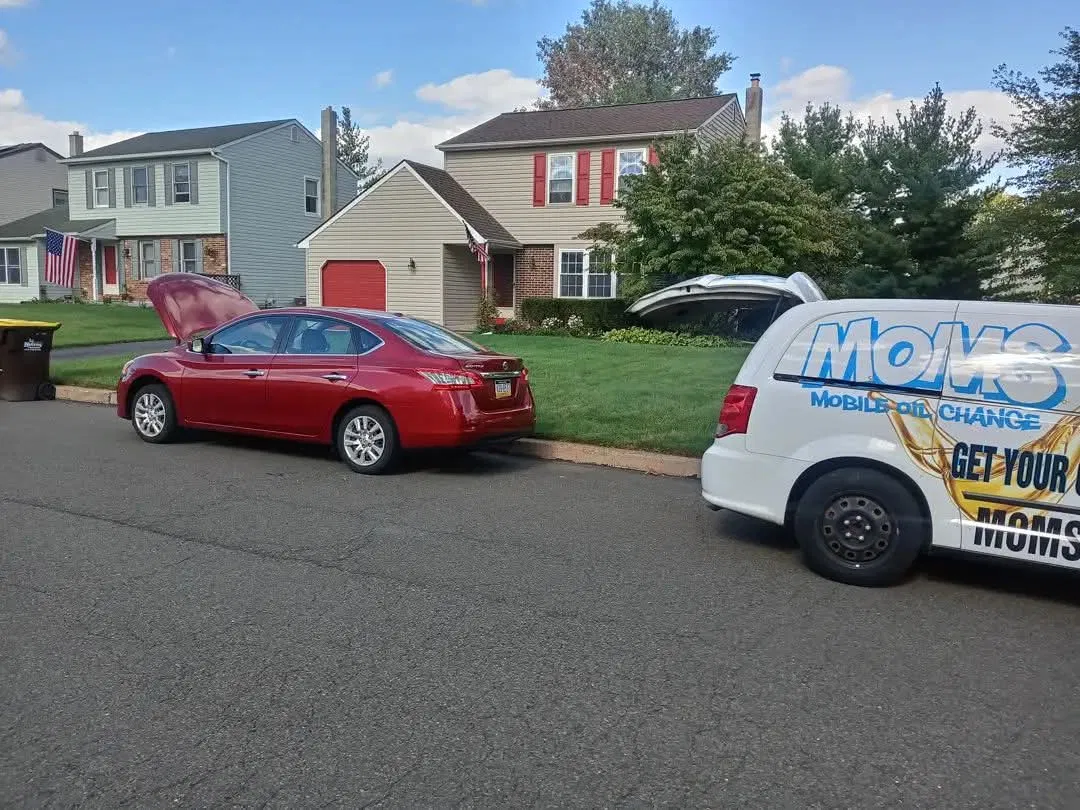
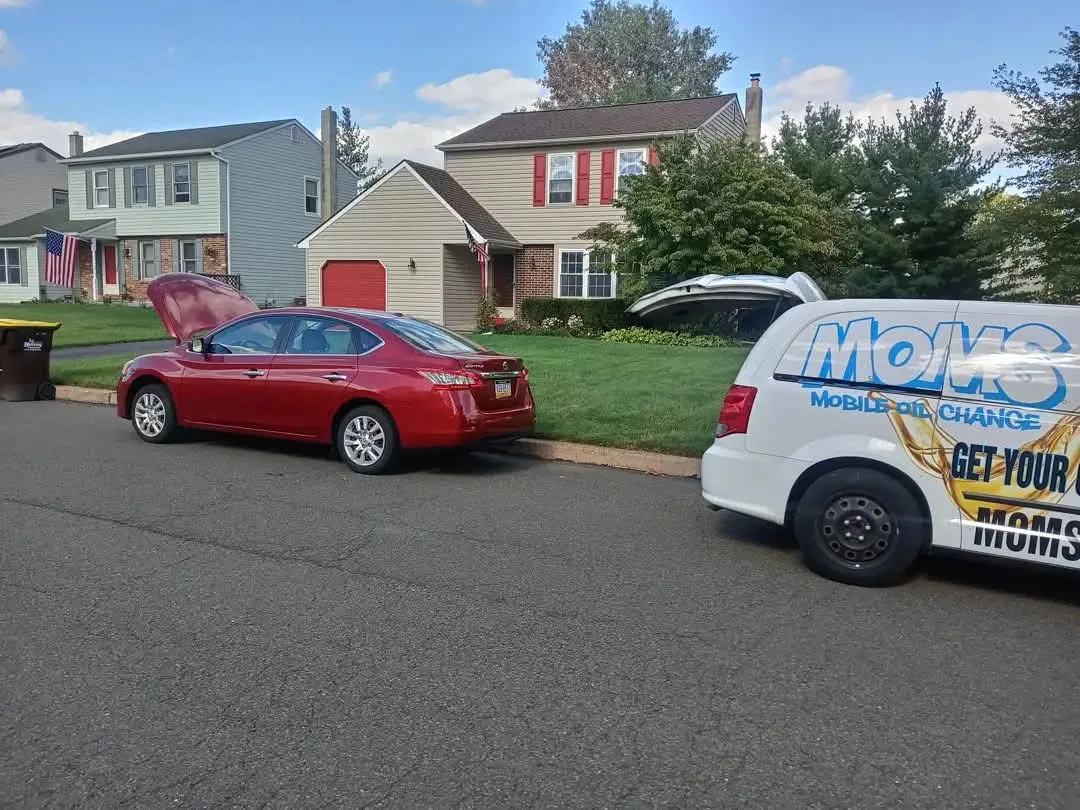
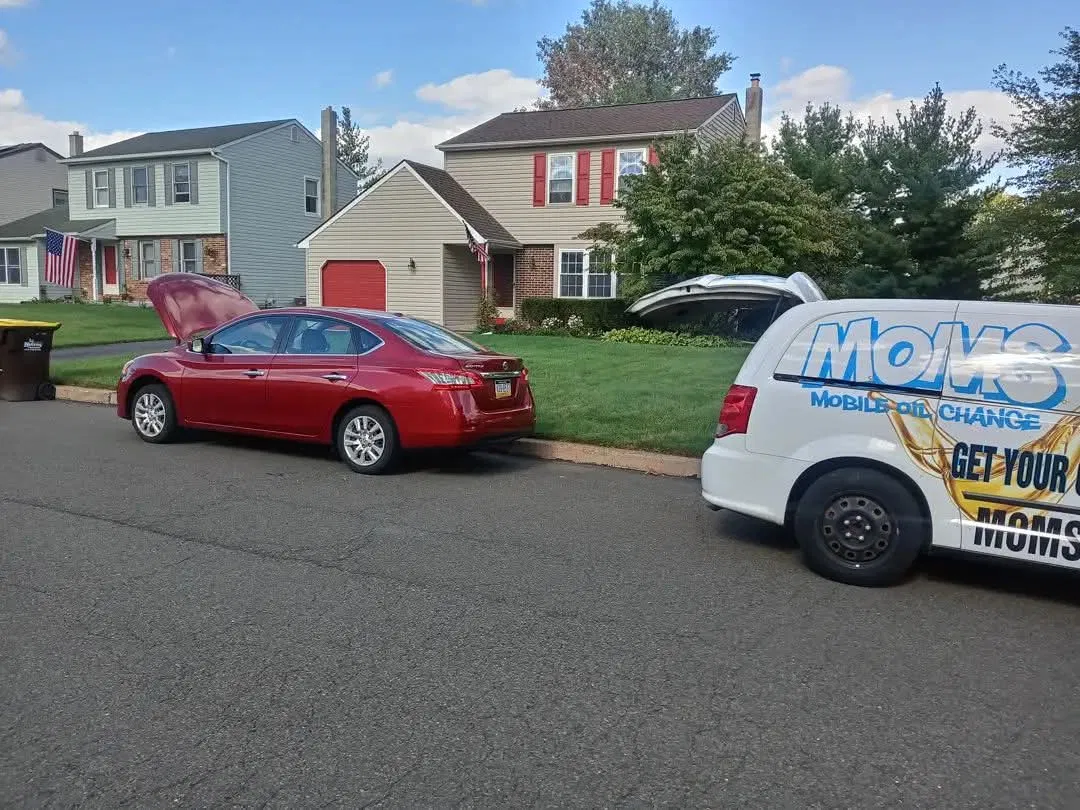
A certified MOMS Mobile Oil Change technician performs a full synthetic oil change and 23-point inspection on a red sedan parked in a residential neighborhood. The branded van is parked curbside, emphasizing the convenient, professional mobile service delivered at the customer's home. MOMS logo in bottom right, thin #0088ff blue border around the image.

Why You Need a Written Review Policy

Most business owners handle reviews "when they feel like it." Someone leaves a 5-star review? You might "heart" it. Someone leaves a 1-star review? You might ignore it or, worse, reply defensively in a late-night heat of passion.

A written Review Policy, like the ones we help you build at PolicyPro, removes the emotion and replaces it with a system. A solid policy covers:

  1. How you ask: When is the best time to ask for a review? (Hint: it’s right after the 23-point inspection is finished and the customer is smiling).
  2. Who asks: Is it the technician on-site or an automated follow-up email?
  3. How you respond: What is your "voice"? (We recommend friendly but authoritative).
  4. Handling the heat: What is the specific protocol for a negative review?

By having these rules in place, you ensure that every customer gets a consistent experience, and your digital reputation stays polished even when things go sideways.

Google’s Rules of the Road

Before you start hunting for reviews, you need to know the rules. Google is very strict about "review gating" or incentivizing reviews.

  • Don't pay for reviews: Offering a $10 discount on a cabin air filter replacement in exchange for a 5-star review is a big no-no. It can get your entire Business Profile suspended.
  • Don't fake it: Having your cousins and employees leave reviews is transparent and tacky.
  • Do ask everyone: Google wants to see a representative sample of your customers.

Your policy should reflect these rules so that your team doesn't accidentally get your business "blacklisted" from local search results.

Turning a 1-Star Review into a 5-Star Win

Negative reviews aren't the end of the world. In fact, a business with a perfect 5.0 rating and 500 reviews looks a little… suspicious. Customers want to see how you handle problems.

At MOMS, if a customer is unhappy, maybe we were five minutes late because of a massive backup on the PA Turnpike, we own it. Our policy is to respond within 24 hours, apologize sincerely, and move the conversation offline.

The Defensive Response (What to avoid):
"Actually, we weren't late, you gave us the wrong address and our tech had to wait. Maybe check your GPS next time."

The Professional Response (The MOMS Way):
"Hi [Name], we’re really sorry we didn't meet our usual standards for punctuality today. We value your time and want to make this right. Please call us at [Phone] so we can discuss a solution."

One of these makes you look like a jerk; the other makes you look like a professional who cares about convenient oil changes.

A split-screen graphic. Left side: A dark, blurry screenshot of a defensive, angry business response to a review in red text. Right side: A bright, high-contrast screenshot of a professional, empathetic response in #0088ff blue text. A large yellow 'Checkmark' icon is on the right side. MOMS logo in bottom right, thin #0088ff blue border around the image.

The SEO Bonus: Reviews = Visibility

Beyond trust, reviews are a major ranking factor for Google. When you regularly get fresh, high-quality reviews mentioning specific services like "wiper blade replacement" or "synthetic oil change in Lansdale," Google starts to see you as the authority in that area.

Every time a customer leaves a review, they are essentially providing Google with free, keyword-rich content that helps your business show up in the "Local Pack" (those top 3 map results). If your competitors are stagnant and you’re pulling in 3-5 new reviews a week, you’re going to win the "near me" search game every single time.

PolicyPro: Your Shortcut to a Professional Presence

We know you're busy: you’ve got a fleet to maintain and customers to serve. Writing a 10-page digital presence and review policy from scratch sounds about as fun as changing oil in a rainstorm.

That’s why we created PolicyPro. We’ve built the templates specifically for mobile and home service operators. You don’t have to wonder what to say or how to stay compliant with Google’s latest updates. You just grab a template, tweak it for your brand, and you’re protected.

Having a Digital Presence Policy means you aren't just reacting to what people say about you online: you’re actively shaping your brand’s future.

A modern, clean software dashboard for 'PolicyPro' shown on a sleek laptop screen. The interface features the brand color #0088ff and highlights 'Review Policy Template' and 'Digital Presence Guidelines'. A professional technician in a MOMS uniform is visible in the soft-focus background, working on a vehicle. MOMS logo in bottom right, thin #0088ff blue border around the image.

Final Thoughts: Reputation is a Daily Habit

Your Google reputation isn't a "set it and forget it" thing. It’s built every time one of our technicians hands a set of keys back to a customer in their driveway. It’s built when we proactively check a battery or cabin air filter to save a customer a headache down the road.

If you treat your reputation as a physical asset: like your van or your tools: you’ll find that the "work" of getting reviews becomes a natural part of your day.

Ready to take your mobile service to the next level?

Your driveway is calling. Let’s make sure the internet has nothing but good things to say about what happens there.

Don’t Get Sued in Your Driveway: Legal & Risk Policies Every Mobile Tech Needs

At MOMS Mobile Oil Change, we’re all about taking the friction out of car care. We love telling people that traditional auto shops are the "Blockbuster Video" of the 2020s: clunky, inconvenient, and completely unnecessary when you can just have the service come to you. But as anyone who has transitioned from a fixed shop to a mobile business knows, the "mobile" part brings a whole new set of rules.

When you’re working in a shop, you own the floor. You know where the drains are, you know the lighting is perfect, and you know there aren't any kids' bicycles or high-end pavers to worry about. But in the mobile world? Every driveway is a new adventure.

One day you’re doing a full synthetic oil change on a flat, concrete pad in Ambler; the next, you’re trying to navigate a sloped, stamped-concrete driveway in Blue Bell that looks like it cost more than the car you’re working on. Without the right legal and risk policies in place, you aren't just changing oil: you’re gambling with your business.

Here is the breakdown of the essential risk policies every mobile tech needs to stay protected while delivering that top-tier convenience.

1. The "Driveway & Property" Disclaimer

Working on someone else’s property is a massive responsibility. Traditional shops don't have to worry about an oil drop hitting a customer's custom-laid stone driveway. You do.

Even the best certified technicians can have a "oops" moment. A rogue gust of wind while pouring Mobil 1 or a faulty drain plug seal can lead to a stain that won't come out. Your service agreement needs an explicit property damage disclaimer. This policy should state that while you take every professional precaution (like using high-quality mats and drip pans), you are not liable for incidental stains or minor surface marks inherent to on-site vehicle maintenance.

MOMS Mobile Oil Change technician performing a professional oil change on a red sedan in a residential neighborhood, demonstrating the on-site convenience of the service.

2. Pre-Existing Condition Waiver (The "It Wasn't Like That Before" Clause)

This is the most common headache in the mobile world. You finish a clean cabin air filter replacement or a battery swap, and suddenly the customer notices a scratch on their bumper or a crack in their windshield. Because you were the last person near the car, you get the blame.

Your policy must include a mandatory pre-service inspection. Before a single wrench touches the car, our techs at MOMS Mobile Oil Change perform a quick 23-point inspection and document the vehicle’s current state.

Pro-tip: Use your phone. Take photos of all four corners of the car and any existing leaks before you start. Your digital waiver should include a line where the customer acknowledges the vehicle's pre-existing condition.

3. Environmental and Spillage Policies

The EPA doesn't play around, and neither should you. If you’re performing a fleet maintenance job in a large office parking lot in Horsham or Lansdale, a spill isn't just a mess: it’s an environmental hazard.

You need a written policy that outlines your spill response plan. This doesn't just protect the Earth; it protects your pocketbook. By having a clear, written environmental policy that you follow (and that the customer agrees to), you demonstrate "ordinary negligence" protection. If you don't have these policies written down, you're opening yourself up to claims of "gross negligence," which no waiver can protect you from.

Educational graphic showcasing risk management icons for mobile oil change businesses, including protection shields and service documents in brand colors.

4. The "Unattended Vehicle" Policy

One of the biggest selling points for MOMS is that the customer doesn't even have to be there. They can leave the keys in the drop box or under the mat while they’re inside a meeting or at their kid's soccer game.

However, this creates a "Chain of Custody" nightmare. What happens if the car is broken into while you’re working on it? What if the customer claims they left a Rolex in the center console that’s now missing?

Your risk policy needs to clearly state:

  • You are not responsible for personal items left in the vehicle.
  • The customer assumes all risk for the vehicle's security once you have finished the service and locked the doors.
  • You have permission to operate the vehicle (even just to move it or check the dash) on public and private property.

5. Why You Need PolicyPro

Look, we’re mechanics and business owners, not high-priced Philly attorneys. You could spend thousands of dollars having a law firm draft these templates for you, or you could go where the pros go.

We recommend using PolicyPro. It’s the ultimate library for mobile service businesses. They have pre-built, legally-vetted templates for:

  • Liability Waivers
  • Property Damage Disclaimers
  • Pre-Service Inspection Checklists
  • Environmental Compliance Forms

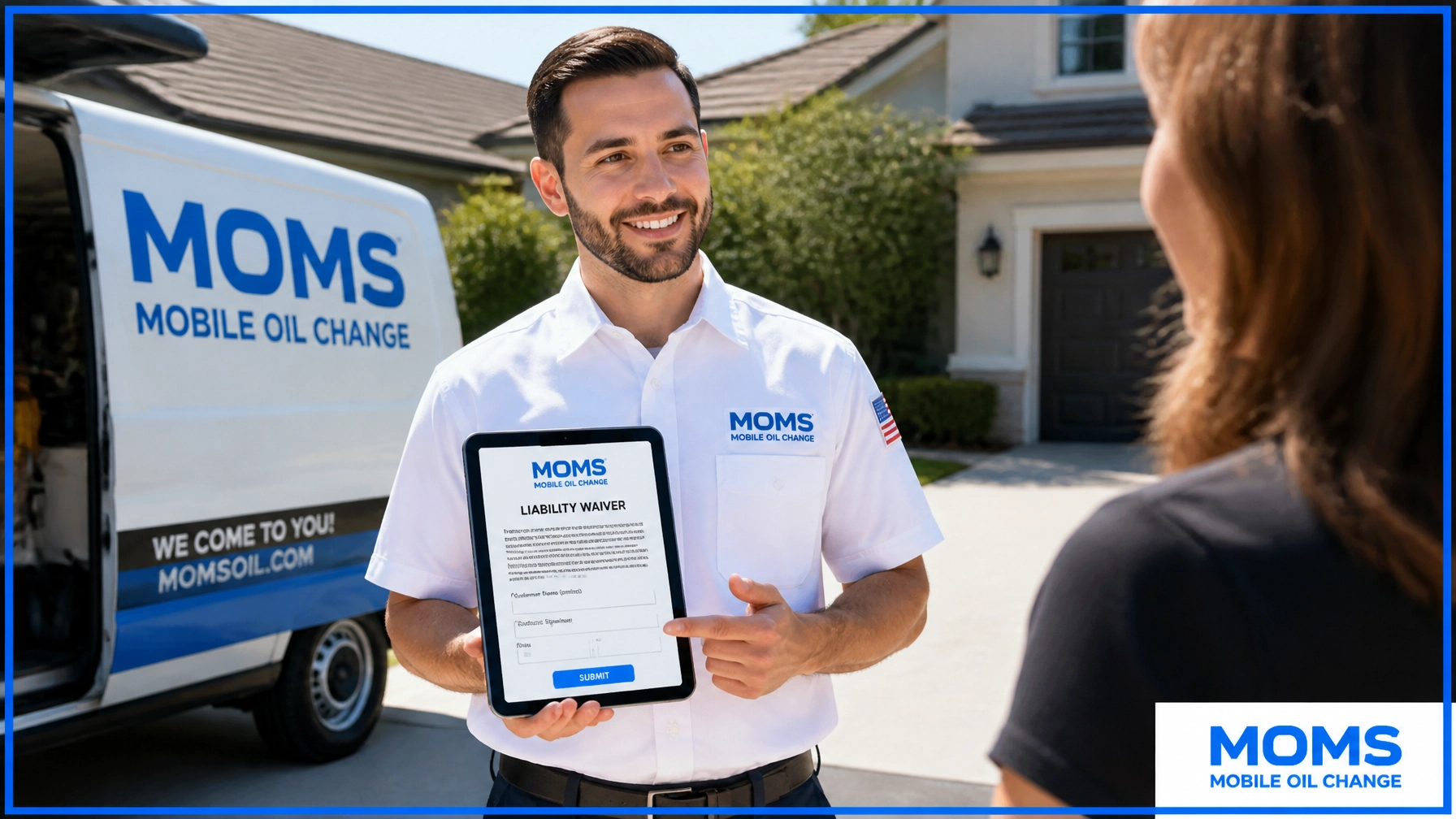
Having these forms isn't just about avoiding a lawsuit; it’s about looking like a professional. When you hand a customer a tablet with a clean, well-written PolicyPro agreement, it shows you aren't some "shade tree" mechanic. It shows you're a legitimate business that values their property and your own reputation.

Close-up of a professional technician's hand signing a digital service disclaimer and property protection agreement on a tablet in front of a white service van.

Don't Wait for the "Oops"

In the mobile maintenance world, it’s not a matter of if something will go wrong, but when. Whether it's a minor oil drip on a driveway in Montgomery County or a misunderstanding about a pre-existing dent, having your legal ducks in a row is what separates the pros from the amateurs.

At MOMS Mobile Oil Change, we built our reputation on being professional, clean, and reliable. Part of that reliability is knowing that we are covered, and our customers are protected by clear, fair policies.

Get your shop out of the "Blockbuster" era and into the modern age. Secure your business, protect your techs, and keep the service moving.

Ready to bulletproof your mobile business? Head over to PolicyPro today and grab the templates you need to work with total peace of mind.

MOMS Mobile Oil Change technician holding a dirty cabin air filter next to a vehicle, emphasizing the importance of routine maintenance and professional service documentation.

Boundaries Save Businesses: Setting Customer Conduct Expectations the Right Way

At MOMS Mobile Oil Change, we’ve seen it all. From driveways that double as obstacle courses to "guard dogs" that are really just very enthusiastic 100-pound Golden Retrievers who want to help us drain your oil. We love what we do because we get to bring the dealership experience directly to your home or office, but over the years, we’ve learned a vital lesson: Boundaries save businesses.

When we pull our bright white service van into a driveway in Blue Bell or Lansdale, we aren't just there to swap a filter; we are turning your private property into a professional workspace. For that workspace to be safe, efficient, and: most importantly: profitable, everyone needs to know the rules of the game.

If you’re running a mobile service, or even if you're a customer wondering why we ask you to keep the cat inside, this guide is for you. We’re diving into the "Contract of Conduct" that keeps our technicians safe and your car in peak condition.

1. The Driveway is Our Office (Access & Space)

When you book a Full Synthetic Oil Change, you aren't just buying oil; you’re buying back your time. But for us to give you that time back, we need a place to work.

We’ve had instances where we arrive at a job only to find the "work area" is a narrow alleyway shared with three neighbors, or a driveway so steep it looks like a black diamond ski run. Safety is our #1 priority. Our technicians are certified pros, but they can't fight physics.

The Policy: We require a reasonably level, clear parking area for both your vehicle and our service van.

  • The "Why": Gravity and oil changes don't mix well on a 30-degree incline. Level ground ensures we get an accurate dipstick reading and, more importantly, keeps the vehicle stable on our professional-grade ramps or jacks.
  • Clearance: We need enough room to walk around the vehicle and open our van doors to access our tools and Mobil 1 premium oil supplies.

If we can't safely access the car, we can't do the job. Setting this expectation upfront: ideally in your booking confirmation: prevents the awkward "I can't park here" conversation that kills your schedule for the day.

2. The Four-Legged Factor (Pet Safety)

We love dogs. Honestly, seeing your pets is one of the perks of the job. But a busy work site with open oil pans, heavy tools, and moving vehicles is no place for a pet.

A technician is replacing a dirty cabin air filter with a clean one inside a vehicle’s dashboard compartment. The image is bright and high-contrast, showing the professional care delivered on-site. The MOMS logo is in the bottom right corner, and a thin #0088ff blue border surrounds the image.

We’ve had "helpers" try to lick up spilled (clean) oil or run under the van right as we’re pulling out. It’s stressful for the tech and dangerous for the animal.

The Policy: All pets must be kept indoors or securely restrained away from the work area for the entire duration of the service.

  • The "Why": It’s about liability and safety. Even the friendliest dog can get spooked by the sound of an impact wrench or the smell of new chemicals.
  • Professionalism: Our techs need to focus on your 23-point inspection, not on making sure they don't trip over a leash.

If you’re a mobile service provider, don't be afraid to make this a hard rule. A "Pet Safety" clause in your service agreement protects your staff and the customer's furry family members.

3. Vehicle Condition: The Transparency Rule

Mobile maintenance is about convenience, but it shouldn't be about cleaning up surprises. We’ve encountered everything from "forgotten" structural damage to oil pans that have been stripped so many times they’re held together by hope and a prayer.

Close-up of a damaged, stripped oil drain plug on a vehicle’s oil pan. The image serves as a warning about the importance of professional service and proper tool use. The MOMS logo is in the bottom right corner, and a thin #0088ff blue border surrounds the image.

When we find a stripped oil drain plug, our job immediately gets more complicated. If we didn’t set the expectation that the customer needs to disclose known issues, we end up looking like the "bad guys" when we can't complete a 20-minute job because of a pre-existing nightmare.

The Policy: Customers must disclose known mechanical issues, fluid leaks, or modifications before service begins.

  • The "Why": It allows us to come prepared. If we know a plug is stripped, we might bring extra extraction tools. If we know the car has a massive oil leak, we can bring extra floor protection to ensure your driveway stays spotless.
  • Hazardous Conditions: We reserve the right to refuse service on vehicles that are unsanitary or structurally unsafe.

Transparency isn't just about the oil pan. It’s also about what’s inside the car. If we’re doing a cabin air filter replacement, we’re going to be inside your glove box. If it’s stuffed with personal items or, let’s be honest, trash, it makes our job harder and risks your privacy. We ask customers to clear that area out so we can get in, swap the filter, and get out.

4. Professional Conduct & The "Driveway Manager"

Most of our customers in Montgomery County are busy professionals who book us precisely because they don't want to think about their car. They hand us the keys (or leave them in a secure spot) and go back to their Zoom calls.

However, every now and then, we get a "Driveway Manager": the person who wants to stand six inches away from the technician to "make sure it's done right."

The Policy: For safety reasons, customers and bystanders must remain a safe distance from the work area while tools are in use and vehicles are being serviced.

  • The "Why": Insurance doesn't cover "Customer tripped over a jack stand while trying to see the oil color." It’s also about giving our pros the space they need to work efficiently.
  • Mutual Respect: We promise a professional, dealership-quality experience. In return, we ask for a professional workspace.

5. Why You Need PolicyPro

If you’re a mobile service owner reading this, you might be thinking, "How do I tell a customer to move their dog without sounding like a jerk?"

The answer is simple: Put it in writing.

When a rule is part of your official "Customer Responsibility & Conduct Policy," it isn't personal: it’s just how you do business. This is where PolicyPro comes in.

Instead of spending thousands on a lawyer to draft a conduct policy, PolicyPro offers ready-to-use templates specifically designed for service-based businesses. Whether you need a "Safe Worksite Clause" or a "Pre-existing Damage Waiver," they’ve got you covered. Having these documents linked in your booking confirmation or on your website doesn't just protect you legally; it sets the tone for a professional relationship from the very first click.

A professional-looking document folder and laptop displaying digital policy templates in MOMS brand colors (blue #0088ff and white). The layout is clean and modern, representing PolicyPro as a professional tool for service businesses. The MOMS logo is in the bottom right corner, and a thin #0088ff blue border surrounds the image.

Conclusion: Better Boundaries, Better Service

At the end of the day, setting expectations isn't about being bossy; it's about being professional. When our customers in Ambler or Conshohocken know exactly what to expect: and what we expect from them: the service goes off without a hitch.

A clear driveway means a faster oil change. A secured pet means a safer technician. A disclosed mechanical issue means no surprises on the invoice.

If you’re ready for a maintenance experience that respects your time and your property, book your MOMS Mobile Oil Change today. And if you're a business owner looking to protect your sanity, head over to PolicyPro and get your conduct policies sorted.

Because at MOMS, we believe that when everyone knows the boundaries, the service is limitless.

The Scheduling Trap: Building a Booking System That Keeps Customers Happy

At MOMS Mobile Oil Change, we like to think of ourselves as being in the "Friction Removal" business. Sure, we change oil, swap out filters, and check batteries, but what we’re really doing is giving people their time back.

In the traditional world of automotive maintenance, the "Scheduling Trap" is real. It’s that window of time between 8:00 AM and 12:00 PM where you’re told to "drop your car off," only to wait in a plastic chair drinking stale coffee while your day disappears. Or worse, you leave your car there for eight hours for a job that takes forty-five minutes.

When we launched MOMS Mobile Oil Change, we knew that to beat the traditional shop model, our scheduling had to be more than just a calendar: it had to be a precision instrument. If you’re building a mobile service business, or if you’re a fleet manager trying to minimize downtime, your booking system is the engine that drives your revenue.

Here is how to build a booking system that keeps customers happy and your technicians moving.

The Friction-Free Philosophy

The secret to a successful mobile service isn't just showing up; it’s showing up exactly when you said you would. In our experience serving the Philadelphia area: from Ambler to Blue Bell and Lansdale: we’ve learned that customers value certainty over almost anything else.

Traditional shops operate on a "first-come, first-served" basis that creates a bottleneck. At MOMS, we flipped the script. We bring the dealership experience directly to the customer's driveway or office parking lot. To do that successfully, your scheduling system must eliminate three things:

  1. The Waiting Room: By booking specific time slots, the customer never has to stop their life.
  2. The Travel Guesswork: Your system needs to account for the reality of traffic in places like Montgomery County.
  3. The Communication Gap: Customers should know exactly where their tech is.

A conceptual illustration showing the replacement of messy paper calendars with a clean, brand-blue digital scheduling interface.

The 52-Minute Rule: Precision as a USP

Efficiency is our north star. At MOMS, our average job time is just 52 minutes. That includes a full synthetic oil change, a 23-point inspection, and a spotless cleanup.

When your scheduling system knows that a job takes 52 minutes, you can pack your day with surgical precision. If your system assumes every job is "about an hour," you’re losing 8 minutes of productivity every single time. Over a week with multiple vans, that’s dozens of hours of lost revenue.

A high-performing booking system allows you to:

  • Buffer for Travel: Automatically add 15–20 minutes between jobs based on GPS data.
  • Group by Location: Optimize routes so your technicians aren't driving from Jenkintown to Conshohocken and back again.
  • Account for Complexity: A fleet oil change for five trucks takes longer than a single residential SUV. Your system needs to "know" the difference.

Residential vs. Fleet: Two Different Beasts

Scheduling isn't one-size-fits-all. At MOMS, we serve two very different types of customers, and our booking system has to handle both.

For Residential Customers

Busy families and professionals want "set it and forget it." They want to book a full synthetic oil change while they’re sitting in bed on a Sunday night. Your system needs 24/7 self-service capabilities. If they have to wait for you to open at 8:00 AM to call and book, you’ve already lost the "convenience" battle.

For Fleet Customers

Fleet managers have a different pain point: Downtime. A truck sitting in a shop isn't making money. We coordinate with fleet directors to perform on-site maintenance when their vehicles are already parked. This requires a "batch" scheduling mindset: hitting five or ten vehicles in one window to maximize uptime.

A MOMS Mobile Oil Change van performing on-site maintenance for a fleet of commercial trucks, showcasing efficient multi-vehicle scheduling.

The 4 Pillars of a Mobile Booking System

If you’re looking to upgrade your own booking operations, these are the four non-negotiables:

1. Real-Time Availability

Your website should show live slots. Nothing kills trust faster than a customer picking a time, only for you to call them two hours later to say, "Actually, we’re busy then."

2. Automated Reminders

We live in a world of distractions. An automated SMS reminder 24 hours before and a "Technician is on the way" text 15 minutes before the appointment reduces "no-shows" to near zero. It also gives the customer time to move their car out of the garage or clear the driveway.

3. Integrated Upsells

Scheduling is the best time to educate customers. If they are booking an oil change, your system should ask: "When was the last time you changed your cabin air filter?" or "Do your windshield wipers streak in the rain?"

Adding these to the initial booking ensures the technician has the right parts on the van, maintaining that 52-minute efficiency.

4. Seamless Payment

Don't make the technician play "collection agent." Taking payment or a deposit at the time of booking locks in the commitment and keeps the on-site experience focused on the service, not the invoice.

A digital dashboard interface optimized for mobile service scheduling, featuring brand-blue highlights and clear appointment tracking.

Avoiding the "Trap": Common Pitfalls

Even with great software, you can fall into the trap if your policies aren't clear.

  • The Overbooking Nightmare: Trying to squeeze "one more job" into a day usually results in the last three customers being frustrated by delays.
  • The Traffic Denial: If you’re serving Montgomery County, you have to respect the Schuylkill Expressway. Always build in more travel time than Google Maps predicts during rush hour.
  • The Vague Window: Never give a 4-hour window. In the mobile world, a 1-hour arrival window is the gold standard.

Codifying Success with PolicyPro

Building these systems from scratch is a headache. You need clear service agreements, cancellation policies, and technician workflows. This is where we recommend using a tool like PolicyPro.

PolicyPro offers a library of templates specifically designed for service businesses. Instead of guessing how to phrase your "no-show" policy or how to structure a fleet maintenance contract, you can grab a proven template and customize it. It’s about taking the same "convenience" we offer in oil changes and applying it to your business operations.

Conclusion: The Competitive Advantage

In the mobile maintenance industry, your schedule is your reputation. When you respect your customer's time by arriving on schedule and finishing within that 52-minute sweet spot, you create a customer for life.

Stop letting the "Scheduling Trap" hold your business back. Move toward a system that prioritizes automation, transparency, and precision. Whether you’re a solo operator or managing a fleet of twenty vans, the goal remains the same: Remove the friction.

Ready to experience the ultimate in scheduling convenience? Book your next oil change with MOMS today and see how we’ve mastered the 52-minute service.

A technician holding a dirty cabin air filter next to a clean one, illustrating the importance of scheduling routine inspections and filter replacements.

Stop Leaving Money on the Table: Pricing Policies That Actually Work for Mobile Oil Changes

If you’re running a mobile oil change business, you aren’t just selling oil and filters. You’re selling time. You’re selling the luxury of a Saturday morning spent on the golf course instead of in a plastic chair at a dealership waiting room. You’re selling the "friction removal" that busy families and high-performing professionals are desperate for.

So why are so many mobile operators still pricing their services like they’re a discount "quick-lube" shop on the corner?

At MOMS Mobile Oil Change, we’ve spent years refining a pricing strategy that doesn’t just keep the lights on: it builds a sustainable, premium brand. We don't play the "cheap" game. In fact, our average ticket sits at a healthy $123.70. That’s not an accident; it’s the result of a deliberate, transparent pricing policy that builds trust before we even pull into a customer’s driveway.

If you’re ready to stop leaving money on the table, it’s time to rethink how you structure your rates. Here is the MOMS guide to pricing policies that actually work.

The "Call for Quote" Death Sentence

The biggest mistake a mobile service can make is hiding its prices. We live in the era of Amazon and Uber. If a customer has to "Call for a Quote" for a standard oil change, you’ve already lost them. They assume two things:

  1. You’re going to be expensive.
  2. You’re going to make it difficult to pay.

At MOMS, we lead with pricing transparency. When someone looks for an oil change in Blue Bell or Ambler, PA, they want to know exactly what the damage is before they book.

A clear, public-facing price menu removes the friction of the sale. It positions you as a professional business, not a "side hustle" mechanic. By publishing your base rates for Full Synthetic, Synthetic Blend, and High Mileage services, you’re telling the customer: "We know our value, and we don't hide it."

Building the $123.70 Ticket: The MOMS Formula

How do we hit a $123.70 average ticket? It’s not by overcharging for a basic service: it’s by delivering a Full Synthetic Oil Change that is undeniably premium.

1. Anchor with Full Synthetic

We lead with Mobil 1. It’s the gold standard. When a customer sees that we use premium products, the price point immediately makes sense. We don't try to compete with the $39.95 "conventional oil" coupons from the local shop. That’s a race to the bottom. Instead, we educate our customers on why full synthetic is better for their engine and their wallet in the long run.

2. The 23-Point Inspection Value-Add

Every MOMS service includes a comprehensive 23-point inspection. We aren't just changing oil; we are managing the health of the vehicle. By including this in the base price, we justify the convenience premium. We aren't just "coming to you"; we are bringing a mobile service center to your driveway.

3. High-Margin Upsells (The Natural Way)

Pricing isn't just about the base fee; it’s about the total value. During our inspections, we often find that a cabin air filter is clogged or windshield wipers are streaking. Because our technicians are already on-site, the customer is much more likely to approve these add-ons. It saves them a second trip to the store, and it increases your ticket average without feeling like a "hard sell."

A certified technician showing a customer a dirty cabin air filter next to a clean one, demonstrating the importance of on-site inspections for vehicle health.

Convenience is the Product, Not the Oil

Traditional oil change shops are "The New Blockbuster Video." They are obsolete models that require the customer to do all the work: driving, waiting, and dealing with the noise of a garage.

When setting your pricing policy, you must account for your Mobile Service Fee. Some operators bake this into the price, while others list it as a separate line item. At MOMS, we find that a "Starting at" price that includes the travel within a 25-mile radius of our hub works best.

If you are traveling to a client’s office parking lot or residential driveway, you are providing a service that saves them 1.5 to 2 hours of their life. What is an hour worth to a busy attorney in Conshohocken or a mom in Lansdale? Usually, it's worth a lot more than the $20-30 premium you're charging over the local shop.

Fleet Pricing: A Different Animal

Pricing for individuals is one thing, but if you’re moving into Fleet Maintenance, your policy needs to shift. For fleet managers, the primary metric isn't price: it's downtime.

A truck that is sitting at a dealership waiting for an oil change is a truck that isn't making money. Our fleet pricing policy focuses on volume and scheduled maintenance. We provide a predictable, on-site service that keeps their drivers on the road. For B2B clients, we often use tiered pricing based on the number of vehicles serviced in a single visit. This rewards the client for their scale while keeping our logistics efficient.

MOMS Mobile Oil Change van performing on-site maintenance for a commercial fleet in an office parking lot, highlighting zero-downtime solutions for businesses.

The Importance of a Written Pricing & Payment Policy

Trust is built through consistency. If a customer gets one price over the phone and a different price on the invoice, your brand is dead. You need a written policy that covers:

  • What's Included: Up to 5 quarts of oil, standard filter, inspection, etc.
  • Surcharges: What happens if the car needs 8 quarts? What if it's a European model requiring a special cartridge filter?
  • Payment Terms: Do you take credit cards on-site? (Pro tip: You should). Do you offer contactless payment?
  • Cancellation Policy: Your time is money. If you drive 20 miles and the customer isn't home, how do you handle that?

Having these policies documented isn't just for you: it’s for the customer’s peace of mind.

Level Up Your Business with PolicyPro

Setting these policies from scratch is a massive headache. That’s why we’re such big fans of PolicyPro.

Whether you need a rock-solid Pricing & Payment Policy template or a Service Agreement that protects your business, PolicyPro has already done the heavy lifting. We believe so strongly in professionalizing the mobile maintenance industry that we recommend every operator use these templates to ensure their business is grounded in legal and financial best practices.

Don't guess on your pricing. Don't "wing it" with your terms and conditions. Use a professional framework so you can focus on what you do best: providing world-class service in your customers' driveways.

A graphic featuring the MOMS logo and a call to action for PolicyPro templates, emphasizing the need for professional pricing policies in the automotive industry.

Final Thoughts: Price for the Future

If you want to be treated like a professional, you have to price like one. Move away from the "cheap oil change" mindset and lean into the extreme convenience and professional quality that MOMS Mobile Oil Change represents.

When you combine a premium service like a Mobil 1 Full Synthetic Oil Change with a transparent, easy-to-understand pricing policy, you don't just get a customer: you get a fan for life.

Stop leaving money on the table. Head over to PolicyPro today, grab your pricing templates, and start building the premium mobile business you deserve.