Parts & Warranties: How to Handle Comebacks Without Burning Your Reputation

If you’ve been in the mobile mechanic game for any length of time, you know the feeling. You just finished a full synthetic oil change in a customer’s driveway in Ambler, PA, the sun is shining, and the invoice is paid.

Then, two hours later, your phone buzzes.

“Hey, there’s a small puddle under my car.” or “My engine is making a weird clicking sound now.”

Your heart sinks. In the industry, we call this a "comeback." For a shop, a comeback is a nuisance. For a mobile mechanic, it’s a logistical nightmare that eats into your profit, kills your schedule, and, if handled poorly, burns your reputation faster than a dry engine block.

At MOMS Mobile Oil Change, we’ve built our business on the idea of extreme convenience and professional quality. But "professional" doesn't just mean showing up with a clean van; it means standing behind your work when things go sideways.

Here is our guide on how to handle parts and warranties so you can turn a potential disaster into a lifelong customer.

The Foundation: Why Parts Quality is Your Best Insurance

You might think you’re saving the customer (and yourself) money by grabbing the cheapest filter on the shelf. You aren't. In the mobile world, "cheap" is the most expensive word in the dictionary.

If a $5 filter fails, you aren’t just out $5. You’re out the 45-minute drive back to the customer, the hour of labor to fix it, and the potential $5,000 engine replacement if the failure was catastrophic.

Why We Use Premium Products

At MOMS, we lead with professional quality. That means using Mobil 1 premium oil and high-grade filters. When you use a name-brand product with a known manufacturer’s warranty, you’re shifting the risk off your shoulders.

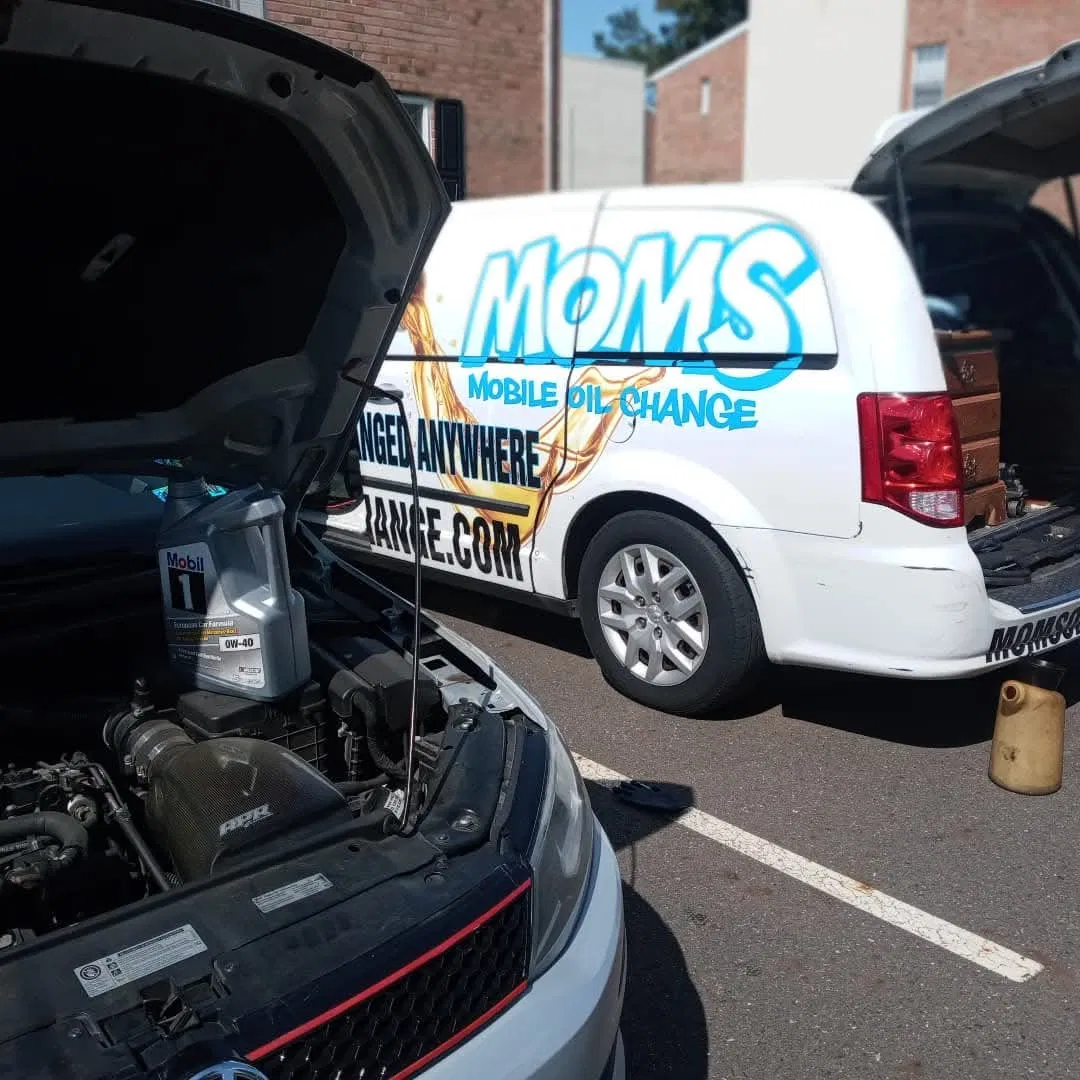
Mobil 1 oil and premium filters used by MOMS Mobile Oil Change

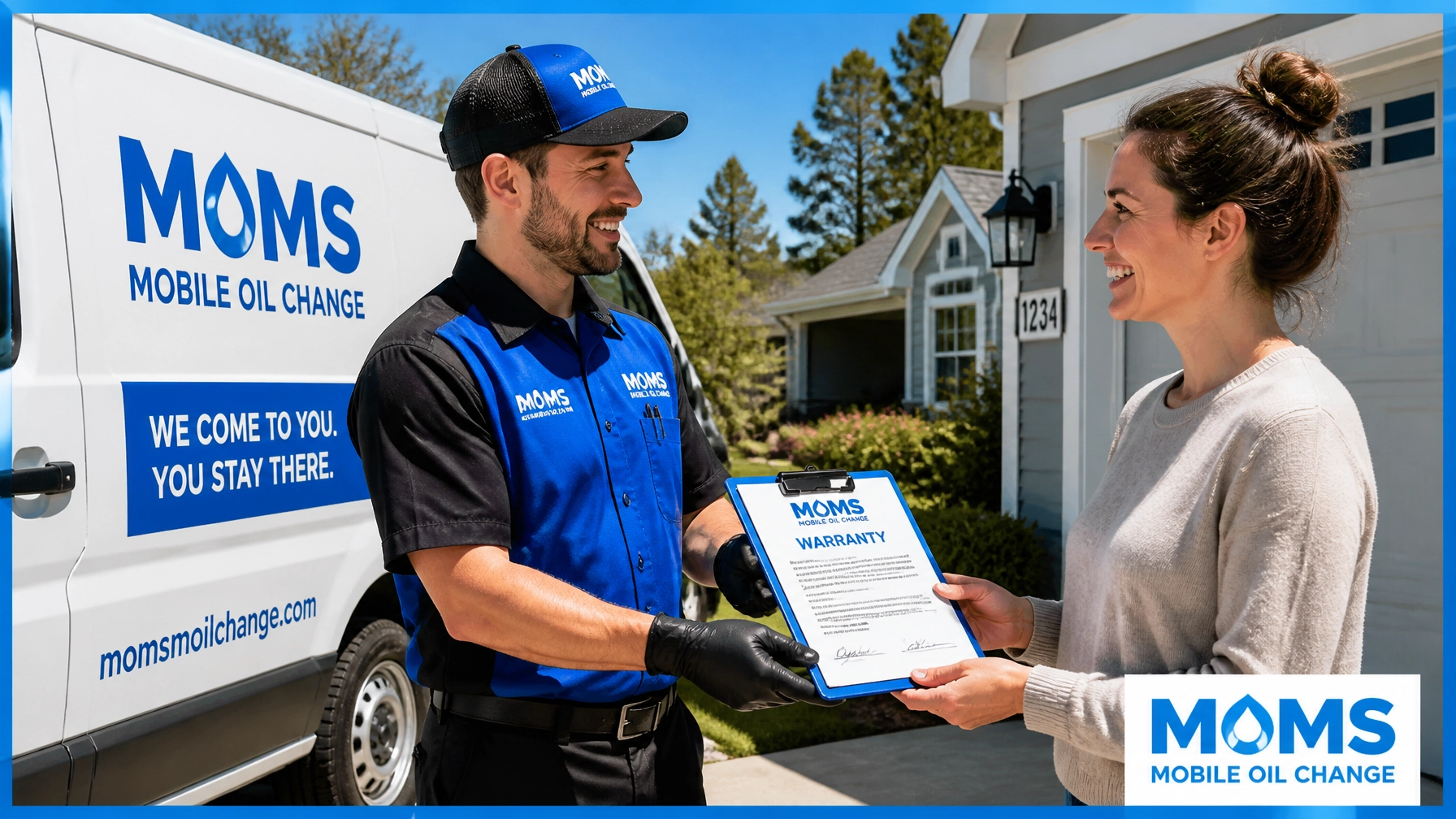
If a Mobil 1 filter has a manufacturing defect, the paperwork is already on your side. If you use a "no-name" white-box filter, you're the one holding the bag. We tell our customers: "We come to you with the dealership experience, but with better products." This builds trust before the wrench even touches the drain plug.

Defining Your Warranty: The 12/12 Rule

You cannot leave your warranty "up to interpretation." If you don’t have a written policy, the customer will assume you’re responsible for everything from their transmission failing to their radio acting up just because you changed their oil.

Most successful mobile operations, ours included, stick to a 12-month / 12,000-mile warranty on workmanship.

What to Include in Your Policy:

  1. Labor Warranty: We guarantee our workmanship (the actual "doing" of the job) for 12 months or 12,000 miles.
  2. Parts Warranty: We pass through the manufacturer's warranty. If the part fails, the manufacturer covers the part; we cover the labor to replace it only within our 12/12 window.
  3. The "Customer-Supplied Parts" Clause: This is vital. If a customer provides their own parts, you provide zero warranty. No parts warranty, and no labor warranty if that part fails.

At MOMS Mobile Oil Change, we make these expectations clear upfront. It’s not about being "mean", it’s about being a sustainable business.

Standardize the Response with PolicyPro

Writing these policies from scratch is a pain. That’s why we created PolicyPro, a free industry tool specifically for mobile mechanics.

Instead of guessing what your warranty should look like, you can head over to PolicyPro and download our exact parts and warranty policy templates. We’ve already done the legal and operational legwork so you can just plug in your business name and keep moving.

PolicyPro template for parts and warranty policies on a digital tablet

Triage: How to Answer the "Comeback" Call

When a customer calls with a complaint, your first job isn't to fix the car, it's to fix the customer's anxiety.

The Wrong Way: "There's no way it's leaking, I tightened everything myself." (Defensive)
The MOMS Way: "I’m so sorry to hear that. Let’s treat this as a top priority. I’m going to review my notes from today and I’ll be out there to inspect it personally." (Professional)

The On-Site Evaluation

When you get back to the driveway (and yes, you must go back), follow this checklist:

  • Check your work first: Was the drain plug torqued? Is the oil filter seated correctly? If it's your mistake, own it immediately. "I see what happened here, I'm going to fix this right now at no charge."
  • Identify unrelated issues: Often, a customer notices a "new" noise only because they are finally paying attention to their car. If the noise is coming from a worn belt or a battery issue you didn't touch, show them.
  • Use Photos: Take photos of the "before" and "after" of the comeback. This protects you if the customer tries to claim you damaged something else.

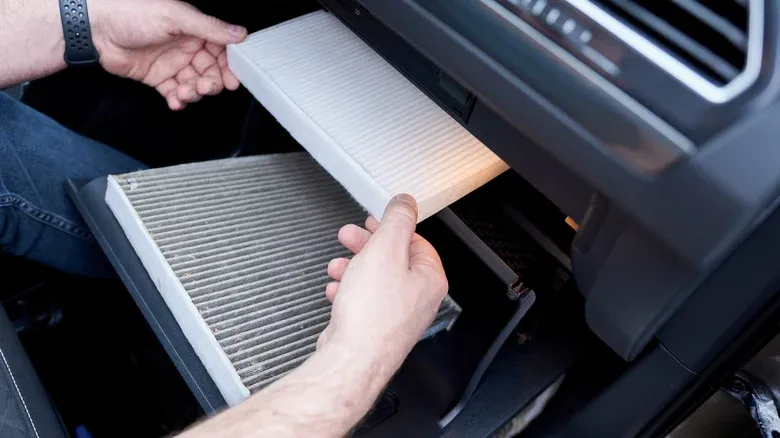
Comparison of clean and dirty filters used for customer education

Handling the "Gray Area"

Sometimes, it’s not your fault, but it’s not not your fault. Maybe a plastic clip on an old cabin air filter housing snapped because the plastic was brittle from ten years of heat.

In these cases, we recommend the "Goodwill Gesture."

If you're already on-site in Blue Bell or Lansdale, and it’s a quick fix, do it for free. Explain to the customer: "The part was brittle due to age, but I want to make sure your car is 100% right, so I’ve taken care of it for you." This turns a frustrated customer into a brand evangelist.

Preventative Maintenance: The Best Warranty is the One You Never Use

The best way to handle comebacks is to prevent them. At MOMS, every single service includes a 23-point inspection.

By checking the windshield wipers, engine air filters, and battery health before we leave, we catch potential "comebacks" before they even happen. If we see a leak coming from somewhere else, we document it on the invoice. That way, when the customer sees a puddle later, they already have a note from us saying, "Your oil pan gasket is seeping; this is unrelated to your oil change."

The Bottom Line

A warranty isn't just a piece of paper: it's the promise that makes mobile service viable. Traditional shops rely on the fact that the customer is "trapped" there. We rely on the fact that the customer trusts us in their driveway.

Don't leave your reputation to chance. Use premium products, set clear boundaries, and use the templates at PolicyPro to make sure your business is protected.

Whether you're doing a fleet oil change for twenty trucks or a single synthetic change in Conshohocken, standing behind your work is what separates the "guys with a van" from the professionals at MOMS Mobile Oil Change.

Why Every Mobile Mechanic Needs a Service Agreement (And What to Include)

When you’re running a mobile mechanic business, your "office" changes every hour. One minute you’re in a pristine suburban driveway in Blue Bell, and the next, you’re squeezed into a tight office parking lot in Conshohocken. That freedom is exactly why we love this industry, but it’s also exactly why things can get messy, fast.

At MOMS Mobile Oil Change, we’ve completed over 72 jobs with an average service time of just 52 minutes. We’ve learned that the secret to that kind of speed isn’t just fast hands; it’s clear expectations. If you don't have a solid service agreement, you aren't just a mechanic; you’re a professional gambler. You’re betting your tools, your reputation, and your bank account that nothing will go wrong.

But here’s the truth: things happen. A drain plug is already stripped when you get there. A customer expects you to fix their transmission when they only booked a Full Synthetic Oil Change. Or worse, you show up and there’s no room to safely jack up the car.
That’s why we created PolicyPro, a free tool for our fellow mobile mechanics to grab the exact policy templates we use to keep our operations running smoothly. Today, we’re breaking down why you need a service agreement and the "Big 4" clauses you can’t afford to skip.

1. Professionalism is the Ultimate "Friction Remover"

We often say at MOMS that we aren't just in the auto-repair business; we’re in the "Friction Removal" business. Our customers, busy professionals and families across Montgomery County, value their time more than anything. They don't want to wait in a greasy lobby for two hours. They want us to show up, do the job, and disappear like we were never there.

A service agreement is the ultimate professional handshake. It tells the customer, "I have a system. I am an expert. Your vehicle is in safe hands." When you send over a digital agreement before you even pull into their driveway, you’re signaling that you aren’t just a "guy with a wrench", you’re a professional service provider.

This level of clarity is how we maintain our 52-minute average. When the customer knows exactly what we’re doing and what we need from them (like a flat surface and the keys), we spend less time talking and more time working.

2. The Liability Shield: Protect Your Business

Close-up of a stripped oil drain plug, highlighting the importance of documenting pre-existing damage.

Let’s talk about the nightmare scenario: the stripped drain plug. You get under a vehicle for a routine oil filter replacement, and you find that the last shop cross-threaded the plug so badly it’s barely holding on. If you touch it and it fails, guess who the customer blames? You.

Without a service agreement that includes a Pre-Existing Conditions clause, you are on the hook for someone else’s mistake. Your agreement should clearly state that you will perform a 23-point inspection (or your equivalent) and that any pre-existing damage discovered will be documented and reported before work continues.

At MOMS, we use our service agreements to define exactly where our responsibility starts and ends. It’s not about being "cheap" or avoiding work; it’s about professional quality and ensuring that we can continue to serve the community without being shut down by one bad break.

3. Scope of Work: No More "While You're Here…"

Technician replacing a cabin air filter, demonstrating a specific service included in the scope of work.

"Hey, while you’re here, can you just take a quick look at this weird noise in the engine?"

We’ve all heard it. It starts as a "quick look" and ends with you spending an extra 45 minutes diagnosing a failing alternator when you have three more fleet maintenance jobs waiting for you.

Your service agreement needs a Scope of Work clause. This defines exactly what the customer is paying for. If they booked a wiper blade replacement and a synthetic oil change, that is what’s on the menu.

What to include in your Scope clause:

  • The Specifics: List the exact services (e.g., "5 quarts of Mobil 1 Full Synthetic Oil, new filter, and tire pressure check").
  • The Exclusions: Explicitly state what you don't do (e.g., "MOMS does not perform internal engine repairs or transmission rebuilds").
  • The Change Order: State that any additional work requires a new estimate and written approval.

By keeping the scope tight, you protect your schedule and your sanity. If you need a template for this, head over to PolicyPro and download our "Mobile Scope of Services" draft.

4. Site Safety and Access: Your Office, Your Rules

MOMS service van parked in a commercial lot, illustrating the need for proper site access and safety.

This is the one clause that traditional shops don’t need, but mobile mechanics must have. Since we go to the customer, we are at the mercy of their environment.

We’ve seen it all: cars parked on 30-degree inclines, "driveways" that are actually muddy fields, and aggressive dogs roaming the yard. Your service agreement should include a Site Requirements clause.

Your agreement should specify:

  • The Surface: The vehicle must be on a flat, stable, and paved surface (concrete or asphalt).
  • The Space: There must be at least 3 feet of clearance around the vehicle for the technician to work safely.
  • The Legality: The customer warrants that they have permission to have work performed at the location (critical for apartments or office parks).
  • The Right to Refuse: You must reserve the right to cancel or reschedule the job if the site is unsafe, without losing your "call-out" fee.

If we show up for an oil change in Ambler, PA, and the car is blocked by a dumpster, our 52-minute clock can’t even start. Having this in writing ensures the customer has the site ready for you.

5. Payment and Authorization: Getting Paid for Your Value

Never: and we mean never: start a job without a signed authorization and a clear understanding of the price. We avoid "cheap" language because we provide a premium, professional service. Our customers aren't looking for the lowest price; they’re looking for the best value and the most time saved.

Your agreement should outline:

  • Non-Refundable Fees: If you show up and can't work because the customer forgot to leave the keys, do you still get paid for your time? (Hint: You should).
  • Payment Timing: Is payment due upon completion? Before you leave the site?
  • Digital Signatures: State that a digital signature or even a text confirmation of the estimate counts as a binding authorization.

How PolicyPro Makes It Easy

A digital mockup of PolicyPro showing mobile-ready policy templates on a tablet and phone.

We didn't build PolicyPro to make money. We built it because we want to see the mobile maintenance industry grow. When mobile mechanics are professional, use service agreements, and protect their customers, it makes the whole industry look better. It moves us away from the "backyard mechanic" stigma and toward the professional, dealership-level experience that MOMS is known for.

On the PolicyPro site, you can find templates for:

  1. Standard Service Agreements
  2. Liability Waivers for High-Mileage Vehicles
  3. Fleet Maintenance Contracts
  4. Site Safety Checklists

These aren't just generic legal docs; they are forged in the real-world experience of 72+ jobs and thousands of miles on the road.

The Bottom Line

Running a mobile mechanic business is hard enough. Don't make it harder by leaving yourself exposed. A service agreement isn't a barrier between you and the customer; it’s the bridge that ensures both of you have a great experience.

If you’re ready to level up your professionalism, take five minutes to visit PolicyPro and grab your templates. And if you’re a customer looking for the most professional, hassle-free mobile oil change near you, you know who to call. We’ll bring the dealership to your driveway, agreement and all.

Preventative Maintenance Cycles for the Ford E-Transit Delivery Fleet: A Philadelphia Operational Guide

If you’re running a delivery fleet in the Philadelphia metro area, you already know that the Schuylkill Expressway (I-76) is basically a high-stakes stress test for vehicles. When you swap your internal combustion engines (ICE) for the silent, torque-heavy Ford E-Transit, you’re making a smart move for your bottom line. But here’s the cold, hard truth: just because you’ve ditched the spark plugs and oil pans doesn’t mean your maintenance schedule has gone on vacation.

In fact, the operational reality of navigating the "Conshohocken Curve" or hauling last-mile packages through Ambler, PA, means your preventative maintenance (PM) cycles need to be tighter than ever. At MOMS Mobile Oil Change, we’ve seen how local legends like Hirschberg Mechanical and PlumbPRO Services keep their fleets humming. They understand that in the logistics world, downtime is death.

Here is your definitive guide to keeping your E-Transit fleet on the road and out of the dealership waiting room.

The 10,000-Mile Tire Rotation: Managing the EV Torque Monster

The Ford E-Transit is a beast. Unlike a traditional Transit, the E-Transit delivers 100% of its torque the moment the driver touches the pedal. While that’s great for merging onto I-476, it is brutal on your rubber. Combine that instant torque with the massive weight of a battery pack, and you have a recipe for accelerated tire wear.

Technician performing a tire rotation on a Ford E-Transit in a Philadelphia suburb.

For Philadelphia delivery fleets, the standard 10,000-mile rotation isn't just a suggestion: it’s the absolute maximum. If your vans are constantly hitting the curb in Manayunk or dodging potholes on Roosevelt Boulevard, you might even consider a 7,500-mile interval.

Rotating your tires at every 10k-mile mark ensures even wear across the driven axle, extending the life of your expensive EV-rated tires and maintaining the grip needed for those rainy Philly winters. At MOMS Mobile Oil Change, we include tire pressure checks and tread depth inspections as part of our professional fleet maintenance because we know a flat tire on the Blue Route is an hour of lost revenue you’ll never get back.

The 20,000-Mile Cabin Filter: Urban Lung Health for Your HVAC

Your drivers spend eight to ten hours a day inside that E-Transit cabin. If they are running routes from Willow Grove to Center City, they are breathing in everything the city throws at them: exhaust fumes, construction dust, and the lovely "scents" of South Philly.

A MOMS technician holding a dirty cabin air filter next to a clean one during on-site maintenance.

Ford recommends a cabin air filter replacement every 20,000 miles. However, in an urban environment like Philadelphia, these filters can become clogged much sooner. A restricted filter doesn't just make the cabin smell like an old gym bag; it forces the HVAC system to work harder, which pulls more power from the battery and can slightly reduce your range.

Keeping the air clean isn't just about driver comfort; it’s about protecting the sensitive electronics and blowers that keep the van operational. We see the difference every day: a van serviced in a leafy suburb like Blue Bell vs. one that spends its life in a loading dock. Don't wait for the windows to start fogging up. Replace it at 20k, or sooner if you want to keep your team happy and healthy.

The 30,000-Mile Brake Fluid Flush: Stopping Power on the Schuylkill

One of the best parts of the E-Transit is regenerative braking. It saves your pads and rotors by using the electric motor to slow the vehicle down. But here’s the catch: the hydraulic brake system is still there, and it still uses fluid that is hygroscopic: meaning it absorbs moisture from the air.

Close-up of a brake service being performed by a technician.

Philadelphia’s humidity is no joke. Over 30,000 miles or three years, moisture can find its way into your brake lines, lowering the boiling point of the fluid and potentially causing internal corrosion. Even if your pads look brand new (thanks to "regen"), your fluid needs to be flushed.

When you’re flying down I-76 and traffic suddenly grinds to a halt at the Conshohocken exit, you need 100% confidence in your stopping power. A brake fluid flush at the 30,000-mile mark is cheap insurance against a catastrophic failure or an expensive ABS module replacement.

The Mobile Advantage: Why the Dealership Model is the New Blockbuster

Traditional fleet maintenance requires a driver to take a van to a shop, wait for hours, or: worse: leave it overnight. For businesses like PlumbPRO or Hirschberg Mechanical, a van sitting in a dealership lot is a van that isn’t billing out jobs. It’s an obsolete model that doesn't respect the value of your time.

MOMS Mobile Oil Change is in the "Friction Removal" business. We bring the dealership experience directly to your parking lot in Montgomery County or your loading dock in Northeast Philly. While we are known for our full synthetic oil changes for ICE vehicles, our EV preventative maintenance for the Ford E-Transit is designed for maximum efficiency.

MOMS Mobile Oil Change van performing on-site fleet maintenance in a parking lot.

Our certified technicians arrive in a clean, professional van equipped with everything needed to handle tire rotations, filter replacements, and system checks. We can service your entire E-Transit fleet while they are parked for the night or during a mid-day shift change. No shuttles, no waiting rooms, and zero downtime.

Don't Forget the Details: Wipers and Battery Health

While the big three (tires, filters, fluid) take center stage, a professional fleet manager knows that the "little" things cause the biggest headaches.

  • Windshield Wipers: Philadelphia weather is unpredictable. Streaky wipers are a safety hazard. We can swap your wiper blades in minutes during a routine PM stop.
  • 12V Battery Check: Even an EV has a standard 12V battery to run the lights and computers. If it dies, the whole van stays put. We check the health of your 12V system at every visit.

Conclusion: Preservation of Time is the Ultimate ROI

The Ford E-Transit is a remarkable tool for the modern Philadelphia business, but it requires a modern approach to maintenance. By adhering to a strict 10k/20k/30k PM cycle, you aren't just following a manual: you’re protecting your most valuable asset: time.

Whether you’re based in Ambler, Lansdale, or Jenkintown, MOMS Mobile Oil Change is here to ensure your fleet never misses a delivery. We eliminate the inconvenience of the traditional shop visit and replace it with professional, high-quality care that comes to you.

Ready to eliminate downtime? Schedule your fleet maintenance today and let us handle the dirty work while you focus on growing your business.

The Mobile Service Misunderstanding: Fleet Roots, Residential Hype, and What Actually Built the Industry

If you listen to the tech blogs or the local news lately, you’d think the "mobile oil change" was a brand-new invention, born out of the 2020 pandemic like sourdough starters and Zoom happy hours. Every headline treats it like a disruptive tech-play: the "Uber of oil changes."

But here’s the truth: Mobile service isn’t new. It’s been a multi-billion dollar industry for decades. It just wasn't happening in your driveway.

For over 40 years, the backbone of American logistics has been built on fleet maintenance services. While you were sitting in a greasy waiting room for an hour on a Saturday morning, thousands of commercial vans and trucks were being serviced on-site at depots, construction yards, and office parks across the country.

The industry isn't being "disrupted." It’s being redistributed. The attention is shifting from the heavy industrial side to the residential driveway, and at MOMS Mobile Oil Change, we’re leading that charge in Ambler, PA, and the surrounding Montgomery County.

The Billion-Dollar Secret: The Fleet Roots

To understand where the industry is going, you have to look at where it started. Mobile service was born out of cold, hard necessity: specifically, the cost of downtime.

In the world of fleet management, a parked truck is a liability. If a delivery van or a rental car has to be driven to a shop, left for four hours, and then picked up by another employee, that business has lost half a day of productivity and two employees' time.

Companies like Enterprise Rent-A-Car and major logistics firms figured this out in the 80s and 90s. They built their entire maintenance models around on-site vehicle maintenance. They didn't care about "convenience" in a lifestyle sense; they cared about uptime. They needed the oil changed while the vehicle was parked overnight or between shifts.

This created a massive, quiet industry of mobile technicians who operated out of white box trucks, equipped with industrial-grade oil recovery systems and enough Mobil 1 to service twenty trucks in a single stop.

MOMS Mobile Oil Change technician performing on-site service for a commercial fleet in a parking lot

The Residential Wave: A Shift in Expectations

So, if it’s been around since the 70s, why is everyone talking about it now?

The answer is "Friction Removal."

We live in an era where you can order a $10 sandwich and track its progress via GPS to your front door. The consumer expectation for convenience has hit a fever pitch. Traditional auto shops are essentially the "Blockbuster Video" of the automotive world: they require you to leave your life, travel to a physical location, and wait in a space you don't want to be in.

People are finally realizing that they don't have to tolerate the "waiting room tax." The mobile oil change service is finally making the leap from the fleet yard to the residential driveway because the digital infrastructure (scheduling, payment, and live tracking) has finally caught up to the mechanical capability.

When you search for a mobile mechanic in Ambler, PA, you aren't just looking for someone to turn a wrench. You’re looking to buy back your Saturday morning.

OEM Validation: When the Giants Wake Up

Nothing proves a model works quite like the competition trying to copy it.

Recently, we’ve seen OEMs (Original Equipment Manufacturers) like Ford and Hyundai making massive moves into mobile service. Ford has been aggressively rolling out dealer-branded mobile service vans, while Hyundai has leaned into "concierge" valet services where they pick up and drop off your vehicle for maintenance.

This is a massive validation of what we’ve known all along: the customer is tired of the dealership experience.

But there’s a catch. These giants are trying to build mobile services on top of legacy dealership infrastructure. They still have the high overhead of the massive showroom, the bloated management tiers, and the "upcharge" culture of a traditional shop. They are responding to the demand, but they aren't built for the agility that a dedicated mobile provider offers.

MOMS Mobile Oil Change van providing on-site maintenance for a residential customer’s truck

Two Different Animals: Fleet vs. Residential

It’s a common mistake to think that fleet and residential mobile services are the same business just because they both use vans. They couldn't be more different.

  1. Fleet Mobile Service = Logistics & Reliability.
    Success in fleet is about volume and scheduling. It’s about servicing 15 Ford Transits in a row without a single error, integrating with a fleet manager’s digital dashboard, and ensuring that every vehicle is ready to roll by 6:00 AM. It’s a game of efficiency.

  2. Residential Mobile Service = Experience & Trust.
    Success in your driveway is about professional presentation and peace of mind. It’s about a certified technician who treats your driveway as carefully as your engine. It’s about providing a full synthetic oil change using premium Mobil 1 oil and performing a 23-point inspection while you’re inside playing with your kids or finishing a work call.

At MOMS, we’ve mastered both. We understand the high-stakes reliability needed for our fleet customers, but we never lose the "white-glove" touch that our residential families in Blue Bell and Horsham expect.

More Than Just Oil: The "While We're There" Advantage

One of the biggest misconceptions about the at-home oil change is that it's a "limited" service. In reality, our technicians can perform 80% of the routine maintenance your car needs right where it sits.

Because we aren't rushing to clear a bay for the next customer, our technicians have the time to actually look at your vehicle. During our standard 23-point inspection, we often find things that traditional shops skip because they’re too busy.

  • Cabin Air Filters: Did you know your cabin air filter should be changed every 15,000 miles? Most people forget it exists until their AC starts smelling like a gym locker. We check it on every visit.
  • Engine Air Filters: A dirty filter chokes your engine and kills your fuel economy. We show you the dirty filter before we swap it: real transparency, right in your driveway.
  • Windshield Wipers: Don't wait until a torrential downpour on the Pennsylvania Turnpike to realize your blades are streaking. We carry wiper replacements on every van.
  • Battery Health: Cold Philly winters are brutal on batteries. We check your battery's health to make sure you aren't stranded in your driveway on a Monday morning.

Technician showing a dirty cabin air filter next to a vehicle during a mobile maintenance visit

The MOMS Standard: Why We're Different

If you're looking for an oil change near me, you'll find plenty of options. But there's a reason MOMS Mobile Oil Change has become the go-to for busy professionals and families across Montgomery County.

We don't do "cheap." We do value.

We use only the highest quality products: like Mobil 1 Full Synthetic oil: because we know that your vehicle is likely your second most expensive asset. Our technicians are certified professionals who take pride in their work and the cleanliness of your property. We don't leave oil spots on your pavers, and we don't leave you wondering when we're going to show up.

We are in the business of Friction Removal. We exist so that you never have to think about your car's maintenance again. You book online, we show up, we perform the service, and you get a digital report sent straight to your phone.

A certified MOMS technician performing a professional oil change on a car in a residential neighborhood

The Future is Mobile

The "Mobile Service Misunderstanding" is slowly fading. People are starting to realize that the convenience they’ve enjoyed in other parts of their lives: from grocery delivery to at-home fitness: is finally available for their cars.

Whether you’re a fleet manager looking for fleet maintenance services to keep your team on the road, or a parent in Ambler looking for a mobile mechanic so you don't have to drag the kids to a shop, the industry has finally caught up to you.

Mobile service isn't a trend. It's the return to a more logical way of doing business: the service should go to the customer, not the other way around.

Ready to see why the traditional auto shop is becoming the new Blockbuster? Book your MOMS Mobile Oil Change today and get your time back.

The Mobile Revolution: What OnSite OilChange Plus Tells Us About the Future of Your Driveway

There’s a specific kind of frustration that only a traditional auto shop can provide. It’s that 8:00 AM arrival for an appointment that somehow turns into a 2:00 PM "we're just getting started" phone call. It’s the lukewarm coffee in a waiting room that smells like burnt rubber and regret.

For decades, we accepted this as the price of car ownership. But just as Blockbuster Video looked at Netflix and thought, "People like the experience of browsing shelves," traditional garages are realizing that the world has moved on. The "Service Bay" is no longer a fixed location with a concrete floor; it’s a white van parked in your driveway.

This isn’t just a local trend in Philadelphia. It’s a national revolution. Today, we’re looking across the country at companies like OnSite OilChange Plus in Arizona to see how the mobile model is scaling, and what it means for you right here in Ambler, Blue Bell, and beyond.

The National Shift: From Niche to Necessity

The mobile oil change service industry is currently in a hyper-growth phase. According to recent market data, the sector is projected to hit a global valuation of nearly $8 billion by 2026. What was once a "luxury" for the elite is now the standard for anyone who values their time.

In the Southwest, OnSite OilChange Plus has become a dominant force in the Phoenix and Tucson markets. Their success tells us two things:

  1. The demand for "frictionless" maintenance is universal.
  2. The "Driveway" model is no longer a theory: it’s the future.

Whether you’re dealing with the 110-degree heat of the Mojave Desert or a humid July afternoon in Montgomery County, the problem is the same: you have better things to do than sit in a garage.

Spotlight: OnSite OilChange Plus (Arizona)

Based out of Phoenix, OnSite OilChange Plus has built a massive footprint by leaning into the "Plus" side of the business. While they offer the standard on-site vehicle maintenance that we’ve pioneered here at MOMS, they’ve expanded into some unique territories that highlight where the industry is headed.

The RV and Bus Specialization

Arizona is the land of the open road, which means it’s the land of the RV. OnSite has carved out a massive niche servicing Class A, B, and C RVs, shuttle buses, and even generators on-site.

A professional mobile service technician performing maintenance on a luxury RV in the Arizona desert.

Think about the logistics of taking a 40-foot motorhome to a shop for an oil change. It’s a nightmare. By bringing the service to the RV park or the owner’s lot, they’ve removed 100% of the logistical headache. This is a prime example of the "Friction Removal" business model.

The Physical "Big Job" Shop

Interestingly, OnSite also maintains a physical repair shop in Phoenix for "big stuff": heavy diagnostics, transmission work, and suspension repairs that aren't feasible in a driveway. They offer free pick-up and drop-off for fleet customers, bridging the gap between mobile convenience and heavy-duty repair capability.

Contrast: The Desert Sun vs. The Philly Gritty

At MOMS Mobile Oil Change, we look at what OnSite is doing in the desert and see a reflection of our own mission: just with fewer palm trees and more potholes.

The core difference? Local expertise.

While OnSite is navigating the sprawling suburbs of Glendale, Peoria, and Scottsdale, we are deep in the trenches of Ambler, Lansdale, Conshohocken, and Willow Grove. We understand the Pennsylvania "salt season" and how it wreaks havoc on your battery and brake lines.

A lineup of commercial fleet vehicles being serviced on-site by a MOMS Mobile Oil Change van.

We might not be servicing as many 40-foot RVs as our friends in Tucson, but our fleet maintenance services for local HVAC, plumbing, and delivery companies are the backbone of the Montgomery County economy. When a plumber's truck is sitting in a shop waiting for an oil change, that's a plumber who isn't making money. In our world, "Parked trucks don't make money."

Why the Traditional Shop Model is Under Fire

The rise of companies like MOMS and OnSite represents a fundamental shift in consumer psychology. We are no longer willing to trade our time for a service that can be delivered to us.

  • The "Convenience Gap": Traditional shops rely on you to do the heavy lifting (the driving, the waiting, the Uber home). We do the lifting for you.
  • Professionalism is the New Price: Search data shows that while people used to look for the "cheapest oil change," they are now searching for "oil change that comes to me." They aren't looking for a discount; they’re looking for their Saturday morning back.
  • Transparency: In a traditional shop, your car disappears behind a heavy metal door. With a mobile service, you can see the Mobil 1 premium synthetic oil being poured. You can see the dirty filter being replaced. There is no "Black Box" of service.

A technician replacing a dirty cabin air filter with a clean one, demonstrating the transparency of on-site maintenance.

The "While We're Here" Factor: High-Margin Convenience

One of the biggest lessons from the national success of mobile models is that the oil change is just the "handshake." The real value: for both the customer and the business: is the comprehensive health check.

While we’re in your driveway in Blue Bell or Jenkintown, we’re not just pulling a drain plug. We are performing a 23-point inspection that often catches the small things before they become $1,000 problems:

  • Cabin Air Filters: If your AC smells like a damp basement, this is the culprit. Most people forget these exist until we show them the pile of leaves and dust trapped inside.
  • Windshield Wipers: You only realize your wipers are shot when you’re caught in a Philadelphia downpour on the Schuylkill Expressway. We check them while it’s sunny.
  • Battery Health: Pennsylvania winters are brutal on batteries. A quick check in your driveway can prevent a "car won't start" emergency on a Monday morning.

The Digital Future of Maintenance

The mobile revolution is also a digital one. Both MOMS and OnSite have leaned heavily into app-based booking and digital communication. The goal is to make maintaining your car as easy as ordering a pizza.

A customer using a mobile app to book a MOMS Mobile Oil Change service from their driveway.

When you book online, you aren't just scheduling a service; you're reclaiming your schedule. You receive a text when we’re on our way, a digital report when we’re done, and an invoice sent straight to your phone. No paperwork, no oily counters, no hassle.

Conclusion: The Driveway is the New Service Bay

Whether it’s OnSite OilChange Plus in the Arizona desert or MOMS Mobile Oil Change in the heart of Montgomery County, the message is clear: the driveway is the future.

The traditional auto shop isn’t going to vanish overnight, but its status as the "only option" is officially dead. As more people realize they can get dealership-level quality (using premium products like Mobil 1) without ever leaving their home office or kitchen table, the shift toward mobile will only accelerate.

If you’re tired of the "service bay black box" and you’re ready to see what professional, on-site maintenance looks like, it’s time to join the revolution.

Ready to get your time back? Schedule your MOMS Mobile Oil Change today and let us bring the shop to you.

7 Mistakes You’re Making with Fleet Maintenance (And How to Stop Wasting Driver Hours)

If you’re running a business with a fleet of vehicles in the Philadelphia area: whether it’s three vans or thirty: you’re in the logistics business. And in logistics, friction is the enemy.

Most fleet managers look at fleet maintenance services as a necessary evil: a line item on the budget that involves coordination headaches, lost productivity, and the inevitable "where is that driver?" phone call.

But here’s the truth: most fleet maintenance models are stuck in the 1990s. They rely on the "Blockbuster Video" model: requiring your assets (and your people) to travel to a physical location, wait in line, and return hours later. It’s an obsolete way of doing things that’s costing you more than just the price of an oil change.

At MOMS Mobile Oil Change, we’re in the friction removal business. We’ve seen every mistake in the book. Here are the 7 biggest blunders we see fleet owners making and how you can fix them to keep your drivers on the road and your revenue climbing.


1. The "Wait Until It Breaks" Strategy (Reactive Maintenance)

The most expensive way to maintain a fleet is to wait for a warning light or a breakdown. Reactive maintenance is the ultimate friction. When a van breaks down on the side of I-276, you aren’t just paying for a repair; you’re paying for a tow, a missed delivery, a frustrated customer, and a driver who is getting paid to stand on the shoulder of the road.

The Fix: Transition to a proactive, schedule-based system. By performing regular full synthetic oil changes and 23-point inspections on-site, you catch the small stuff before it becomes a "truck-is-down" emergency.

2. Paying Drivers to Sit in Waiting Rooms

This is the biggest "invisible" cost in fleet management. If you send a driver to a traditional shop for an oil change, you are paying their hourly wage (plus benefits) to sit in a plastic chair, drink bad coffee, and scroll through their phone for 90 minutes.

If your driver makes $25/hour and the oil change takes two hours (including travel time), that "cheap" oil change just cost you an extra $50 in labor alone. Multiply that by 10 vehicles, and you’re lighting $500 on fire every service cycle.

The Fix: Bring the shop to the vehicles. With mobile oil change services, your drivers stay on their routes or at their desks. We service the vehicles while they are parked at your office or job site.

MOMS Mobile Oil Change service van performing on-site maintenance for multiple fleet vehicles in a business parking lot.

3. Ignoring the "Small" High-Margin Failures

An oil change is the headline, but it’s often the small things that sideline a vehicle. We see fleets all the time that have fresh oil but "blind" drivers because their windshield wipers are shredded or an engine that’s gasping for air through a clogged filter.

A dead battery or a failed wiper blade in a rainstorm is enough to pull a vehicle out of service for a day.

The Fix: Don't just get an oil change; get a maintenance partner. Every MOMS visit includes a check of your engine and cabin air filters, battery health, and wiper condition. We swap them on the spot so you don't have to schedule a second appointment later.

4. The "Cheap Oil" Fallacy

When you have a fleet, it’s tempting to look for the lowest price per quart. But "cheap" conventional oil or low-grade filters are a false economy. They break down faster, offer less protection during heavy idling (common for delivery fleets), and require more frequent service intervals.

The Fix: Use premium products. We use Mobil 1 Full Synthetic oil because it lasts longer and protects better. When you use high-quality fluids, you extend the life of your engines and reduce the total number of service visits needed over the vehicle’s lifespan.

A technician replacing a dirty cabin air filter with a clean one inside a vehicle’s dashboard.

5. Scheduling During "Money-Making" Hours

If your fleet is most active from 8:00 AM to 5:00 PM, that is the worst possible time to take a vehicle out of rotation for maintenance. Traditional shops operate on the same schedule as you do, forcing you to choose between maintenance and revenue.

The Fix: Leverage downtime. We can schedule our fleet maintenance services when your trucks are naturally parked. Whether that’s early morning before the first shift or mid-day during a crew meeting, we work around your schedule, not ours.

6. Fragmented Service Records

Who changed the oil on Van #4? When were the brakes last checked on the Ford Transit? If your records are a pile of paper receipts in a glovebox, you’re flying blind. Lack of data leads to over-servicing some vehicles and dangerously under-servicing others.

The Fix: Consistent, digital-friendly service. By using one professional provider for your entire fleet, you get a consistent service history. We provide clear, professional documentation for every 23-point inspection we perform, giving you a clear picture of your fleet's health.

A close-up of a vehicle's brake assembly during a brake pad replacement, showcasing professional on-site care.

7. Neglecting the Driver’s "Office" Environment

Your drivers spend 8–10 hours a day inside these vehicles. If the cabin air filter is clogged with dust, pollen, and Philadelphia smog, your drivers are breathing that in. A neglected cabin environment leads to fatigue and health issues, which impacts driver retention and safety.

The Fix: High-quality cabin filter replacements. It’s a small, inexpensive fix that makes a massive difference in the daily life of your team. We check these at every visit to ensure your team is breathing clean air while they represent your brand.


The MOMS Advantage: Professionalism at Your Doorstep

In places like Ambler, Blue Bell, and across Montgomery County, business owners are realizing that the old way of doing things is a drag on their growth.

When you choose MOMS for your fleet maintenance services, you aren't just getting an oil change. You're getting:

  • Certified Technicians: Professional, uniformed experts who treat your fleet like their own.
  • Mobil 1 Quality: The gold standard in engine protection.
  • Zero Downtime: We come to your office, your job site, or your parking lot.
  • Spotless Service: Our process is clean, eco-friendly, and leaves your lot exactly how we found it.

Stop wasting driver hours. Stop the friction.

Ready to see how much time and money you can save? Contact us today for a fleet service quote and let’s get your maintenance on autopilot.


The 10-Minute Oil Change is the New Blockbuster (and why your driveway is the future)

Do you remember Friday nights in the late 90s? You’d pile into the car, drive to the local Blockbuster, circle the parking lot for ten minutes, and then spend another twenty wandering through aisles hoping the one copy of The Matrix wasn’t already rented. Then came the late fees. It was a ritual built entirely on friction.

Then Netflix happened. They didn't just offer better movies; they removed the friction of leaving your house.

At MOMS Mobile Oil Change, we see the automotive industry through that same lens. "The traditional 10-minute oil change shop is the new Blockbuster Video; they just don't know it yet."

The era of driving to a shop, sitting in a plastic chair, drinking stale coffee, and breathing in exhaust fumes while you wait for a "quick" service is over. If your business model requires the customer to leave their house, you are already at a competitive disadvantage.

We Are in the Friction Removal Business

Most people think we’re in the auto-repair business. We aren't. "We aren't in the auto-repair business; we are in the 'Friction Removal' business."

Friction is anything that makes it harder, more annoying, or more time-consuming for you to get what you need. In the world of car maintenance, friction looks like:

  • Fighting traffic in Ambler or Blue Bell to reach a service center.
  • The "hidden" hour you lose sitting in a waiting room.
  • The anxiety of wondering if the shop is going to pressure you into a $2,000 repair you don't need.

We’ve redesigned the entire experience to eliminate those points. We don't want your time; we want to give it back to you. When you book a mobile oil change in Philadelphia or the surrounding suburbs, the service happens while you’re on a Zoom call, making lunch for the kids, or finally catching up on that show: ironically, probably on Netflix.

Mobile oil change service in a residential driveway

The "10-Minute" Myth

The traditional quick-lube shops love to advertise a "10-minute oil change." But is it ever really ten minutes?

  1. Drive to the shop: 15 minutes.
  2. Wait in the queue because three cars are ahead of you: 20 minutes.
  3. The actual oil change: 15 minutes.
  4. Drive home: 15 minutes.

That "10-minute" service just cost you over an hour of your life.

At MOMS, we bring the dealership experience directly to your driveway or office parking lot. Our certified technicians arrive in a fully-equipped mobile service van, perform a full synthetic oil change using premium products like Mobil 1, and complete a 23-point inspection: all while you stay exactly where you are. Whether you're at your house in Horsham or your office in Conshohocken, we come to you.

Beyond the Oil: The Invisible Maintenance

Friction removal isn't just about the oil; it's about handling all the "small" things that usually get ignored until they become big problems. Most drivers know they need an oil change, but they completely forget about the air they breathe inside the car or the health of their battery.

While we're under the hood, we aren't just looking at your oil levels. We're looking at your vehicle's overall health.

1. Cabin and Engine Air Filters

Have you noticed a weird smell in your car lately? Or maybe your gas mileage isn't what it used to be? Your air filters are likely the culprit.

  • Cabin Air Filter Replacement: This filter cleans the air you breathe inside the cabin. If it’s clogged, you're breathing in dust, pollen, and pollutants.
  • Engine Air Filter Replacement: Your engine needs to breathe, too. A dirty filter chokes your engine, forcing it to work harder and burn more fuel.

Technician replacing a cabin air filter

2. Windshield Wiper Replacements

We’ve all been caught in a Montgomery County downpour with wipers that just streak and squeak. It’s a safety hazard. We check your wiper blades and can replace them on the spot so you’re ready for the next storm in Willow Grove.

3. Battery and Brake Checks

The last thing you want is a dead battery on a Monday morning in Lansdale. As part of our professional service, we perform battery health checks and brake system inspections to ensure your vehicle is reliable.

Dirty vs Clean Air Filter Comparison

For the Business Owners: Fleet Maintenance Reimagined

If you manage a fleet of vehicles in the Philadelphia area, you know that downtime is a profit killer. Every hour a truck is sitting at a repair shop is an hour it’s not making money.

Our fleet maintenance service is designed for maximum efficiency. We come to your yard or job site and service multiple vehicles at once.

  • Zero Downtime: We service your vehicles while they are parked between shifts.
  • Productivity: Your drivers don't waste paid hours sitting at an oil change shop.
  • Reliability: We use Mobil 1 premium oil to keep your engines running longer and cleaner.

In the world of logistics and service businesses, "Parked trucks don't make money." We ensure your fleet stays on the road where it belongs.

Mobile fleet oil change service in a parking lot

Why MOMS? Because Your Time is Non-Refundable

The shift from Blockbuster to Netflix wasn't just about technology; it was about a fundamental shift in how we value our time. People realized they didn't have to tolerate the "friction" of the old way.

The automotive industry is finally catching up. At MOMS Mobile Oil Change, we are proud to lead that charge across Montgomery County and Philadelphia. We provide:

  • Extreme Convenience: No more waiting rooms.
  • Professional Quality: Certified technicians using high-quality products like Mobil 1.
  • Total Transparency: A 23-point inspection report delivered straight to your phone.
  • Spotless Service: We leave your driveway exactly how we found it: just with a better-running car.

Stop living in the Blockbuster era of car care. It’s time to move to the future.

Ready to remove the friction from your life?
Schedule your mobile oil change in Ambler, PA and surrounding areas today!

The 180-Day Blueprint: How We Built the Guaranteed Growth Plan for Fleets

Let’s be real for a second: if your trucks aren’t on the road, you aren’t making money. It’s the simplest math in the world. Yet, for years, fleet managers in the Philadelphia area have been stuck in a "wait-in-line" loop. You send a van to a shop, your driver sits in a lobby for two hours drinking bad coffee, and you lose half a day of billable labor.

That’s not a maintenance strategy. That’s a leak in your bank account.

At MOMS Mobile Oil Change, we decided to stop just changing oil and start solving the downtime crisis. We didn't just want to be "the guys who come to you": we wanted to build a tech-driven engine for business growth. That’s why we created the Guaranteed Growth Plan: a 180-day blueprint designed to transform your fleet from a logistical headache into a high-performance asset.

Here is exactly how we built it, the tech we use to power it, and why your fleet needs it yesterday.


The Vision: Turning Maintenance into Momentum

When we sat down to map out the Guaranteed Growth Plan, we had one rule: Eliminate the friction.

Most fleet maintenance services are reactive. You wait for a light to pop up on the dash, then you scramble. We flipped the script. We looked at the data: unplanned breakdowns cost 3–5 times more than planned maintenance. Even worse, the "hidden cost" of downtime in a traditional shop can run between $448 and $760 per vehicle, per day.

We realized that if we could automate the scheduling, optimize the routes, and bring the dealership experience directly to your parking lot, we wouldn't just be saving you an oil change fee: we’d be handing you back thousands of dollars in reclaimed productivity.


Tool #1: The Map-Based Prospecting Tool (The ROI Radar)

The first pillar of our growth plan isn't a wrench: it's a map. We built a proprietary Map-Based Prospecting Tool that allows us to integrate directly with local business landscapes.

MOMS Mobile Oil Change performing maintenance for multiple fleet vehicles in a parking lot, showcasing on-site efficiency

Imagine a high-tech search bar where we filter by industry: Plumbing, HVAC, Landscaping, Roofing. We see exactly where the work is happening in Ambler, Horsham, and Blue Bell. This tool does two things for our fleet partners:

  1. Route Density: By grouping services geographically, we lower our overhead and pass those savings and efficiency gains to you.
  2. Proactive Servicing: We can map out your job sites and service your vehicles where they actually park, whether that’s your main office or a satellite staging area.

We don't just "show up." We arrive with a surgical plan based on where your fleet is most active.


Tool #2: The AI-Powered Proposal Generator

"Let me get back to you with a quote" is where good business goes to die. In the fleet world, you need answers fast so you can get back to managing your team.

We integrated an AI-Powered Proposal Generator into our workflow. This tool takes your fleet size, vehicle types, and annual mileage and instantly drafts a comprehensive maintenance schedule. It’s not a generic PDF. It’s a customized roadmap that includes:

  • Full Synthetic Oil Changes (using premium Mobil 1 oil).
  • Preventive Schedules for engine and cabin air filters.
  • Battery Health Monitoring to prevent those "won't start" Monday mornings.
  • Windshield Wiper Replacements to keep your drivers safe in Philly's unpredictable weather.

Within minutes, you have a professional, data-backed proposal that proves the ROI of switching to mobile oil change service. No waiting, no guessing: just high-speed execution.


Tool #3: The Performance Math Dashboard

You can't manage what you don't measure. The heart of the Guaranteed Growth Plan is our Performance Math Dashboard. This is a live portal for our fleet managers that tracks the "Funnel of Uptime."

Instead of looking at invoices, you look at:

  • Revenue Reclaimed: How many hours your drivers stayed on the job instead of at the shop.
  • The 23-Point Health Score: A rolling average of your fleet’s condition based on our certified technicians' inspections.
  • Milestone Tracking: Real-time updates on your 180-day growth targets.

This dashboard turns on-site vehicle maintenance from a line item on your P&L into a competitive advantage. You can see the revenue milestones hitting as your fleet downtime drops by 50% or more.


The "Secret Sauce": The 23-Point Professional Inspection

Technology is great, but the hands on the vehicle are what keep the wheels turning. Every visit under the Guaranteed Growth Plan includes our signature 23-point inspection. We aren't just looking at the oil; we are looking for the "silent killers" that lead to unplanned downtime.

Mandatory High-Margin Maintenance

We don't call these "upsells": we call them "safety nets." In our 180-day plan, we mandate the check and replacement of these core components:

  1. Cabin Air Filters: If your drivers are breathing in dust and pollen all day, their productivity drops. We show you the difference between a clogged filter and a fresh one right on the spot.
  2. Engine Air Filters: A dirty filter chokes your engine and kills your fuel economy. We replace these on-site to keep your MPG high.
  3. Windshield Wipers: Visibility is non-negotiable. We swap out streaks for clarity before the next storm hits.
  4. Battery Health Checks: A dead battery is the most avoidable reason for a "no-show" to a customer. We test every battery, every time.

Technician showing a dirty cabin air filter next to a vehicle, emphasizing the importance of routine preventive maintenance


Why 180 Days?

Growth doesn't happen overnight. It takes a full cycle to see the compounding effects of professional maintenance.

  • Days 1-30: The "Clean Sweep." We get your fleet current on all oil changes and filters.
  • Days 31-90: The "Stabilization Phase." You'll notice a drop in emergency calls and "check engine" lights.
  • Days 91-180: The "Optimization Phase." This is where the Performance Math Dashboard starts showing significant ROI as your fleet runs like a Swiss watch.

Parked Trucks Don't Make Money

If you are a fleet manager in Montgomery County, Bucks County, or Philadelphia, you have a choice. You can keep doing it the old way: paying your drivers to sit in waiting rooms: or you can adopt the Guaranteed Growth Plan.

MOMS Mobile Oil Change isn't just a service; we’re your operations partner. We bring the tools, the tech, and the Mobil 1 synthetic oil directly to your driveway. We save you time, we save you money, and we keep your business moving forward.

Ready to see your fleet’s potential?
Schedule your fleet consultation today and let’s start your 180-day blueprint. Because at the end of the day, your success is driven by your uptime.

Official MOMS Mobile Oil Change fleet visual for 2026, representing professional and reliable on-site maintenance

Summary: The ‘Black Box’ of Auto Service

A viral TikTok post from @shittystateofmind2 described a dealership oil change followed by a no-start condition the next day. According to the account, an independent mechanic later found that the starter had been left unscrewed. The story spread widely because it centered on a routine service visit that allegedly resulted in an unrelated and disabling problem.

The article uses the term "Service Bay Black Box" to describe a common feature of traditional service environments: the vehicle is taken into a restricted work area where the customer cannot directly observe the inspection, recommendations, or repair process. In that setting, the customer depends largely on the service advisor’s explanation of what was found and what is needed.

The Viral Reality: When "Routine Maintenance" Goes Wrong

In the TikTok account, the owner said the dealership visit was for a standard oil change. After the vehicle failed, a second mechanic reportedly identified the starter issue. The article presents the case as an example of how low-visibility service environments can intensify concern when a problem appears immediately after maintenance.

The article also cites reporting tied to an Edmunds Confessional about dealership service departments. That reporting described pressure on service writers to increase ticket totals by recommending additional work, including maintenance at intervals shorter than those listed in the owner’s manual.

The "Service Bay Black Box"

The article defines the "Service Bay Black Box" as a model in which customers do not see the vehicle during service and must rely on the shop’s interpretation of component condition and maintenance urgency. The article contrasts that lack of visibility with service formats where customers can directly observe the vehicle, the removed parts, and the work being performed.

A side-by-side comparison of a traditional garage bay and a bright residential driveway service setup.
Image prompt: A high-contrast, bright, split-screen graphic. Left side: A dark, moody, low-light traditional auto shop with a generic mechanic in a cluttered bay. Right side: A bright, sunny residential driveway in a Philly suburb with a clean, white service van and a technician performing service in plain view of the house. No filters, clear shadows.

The Trust Gap: Findings and Data

The article references customer-experience data comparing mobile service with traditional repair shops. It states that mobile service recorded a Net Promoter Score (NPS) of 84, compared with 71 for traditional shops.

It also points to broader findings that customers respond more favorably to service models associated with higher visibility, clearer communication, and reduced sales pressure. Within that framing, the Edmunds Confessional material is presented as evidence of service-writer pressure inside conventional dealership workflows.

Conclusion

The article centers on four main findings:

  1. A viral TikTok story alleged that a dealership oil change was followed by a no-start issue, and that an independent mechanic found the starter had been left unscrewed.
  2. The term "Service Bay Black Box" is used to describe service environments where customers cannot observe the work being performed.
  3. The article cites the Edmunds Confessional as evidence that service writers can face pressure to recommend additional or accelerated maintenance.
  4. The article reports an NPS comparison of 84 for mobile service versus 71 for traditional shops.

Fresh Air Facts: How Often Should You Change Your Cabin Air Filter?

Ever hopped into your car on a hot July afternoon in Blue Bell, cranked the A/C, and instead of a refreshing blast of cold air, you got hit with a face full of… gym bag? Or maybe you’ve noticed that your dashboard seems to grow a layer of dust just hours after you’ve cleaned it.

If that sounds familiar, you aren’t alone. Most drivers focus on the oil under the hood or the air in their tires, but there’s one critical part of your car that often gets ignored until it literally starts to stink: the cabin air filter.

At MOMS Mobile Oil Change, we’re all about making maintenance effortless. While we’re already in your driveway performing a full synthetic oil change, checking your cabin air filter is one of the easiest ways to upgrade your daily commute. But how often should you actually change it? Let’s dive into the fresh air facts.

What Does a Cabin Air Filter Actually Do?

Think of your cabin air filter as the "mask" for your car. While the engine air filter keeps dirt out of your motor, the cabin air filter is there specifically for you.

As you drive through the streets of Philadelphia or cruise down the Pennsylvania Turnpike, your car’s HVAC (heating, ventilation, and air conditioning) system pulls in outside air. Without a filter, you’d be breathing in everything from exhaust fumes and road dust to pollen and mold spores. A high-quality cabin air filter catches up to 90% of these particles before they ever reach your lungs.

How Often to Change Cabin Air Filter in Car?

The short answer? Most manufacturers recommend replacing your cabin air filter every 15,000 to 30,000 miles. For the average driver in Montgomery County, that usually translates to about once a year.

However, "average" doesn't always apply to life in the Greater Philadelphia area. There are a few factors that might mean you need a cabin air filter replacement Philadelphia sooner than the manual suggests:

  1. Heavy City Traffic: If you spend your mornings stuck on I-76 or I-95, your car is constantly sucking in concentrated exhaust fumes from the trucks and cars around you. This working environment clogs filters much faster than rural driving.
  2. Seasonal Pollen: We all know that "yellow film" that covers every car in Horsham and Willow Grove during the spring. If your car is covered in it, your filter is likely packed with it, too.
  3. Construction Zones: With constant roadwork and development in areas like Conshohocken and Lansdale, extra dust and debris are always in the air.
  4. Allergies and Asthma: If you or your passengers suffer from seasonal allergies, changing your filter every 12,000 miles is a small price to pay for breathing easier.

A technician holding a used, dirty cabin air filter next to a clean one to show the stark difference in air quality.

4 Signs Your Cabin Air Filter is Done

You don't always have to wait for the mileage marker to hit. Your car will usually tell you when it’s time for a change. Keep an eye (and a nose) out for these symptoms:

1. The "Old Basement" Smell

This is the most common sign. When a filter gets damp or clogged with organic debris (like leaves or insects), it can grow mold or bacteria. When you turn on your air, that musty, stale odor is blown directly into the cabin.

2. Weak Airflow

If you feel like you have to turn your fan up to "Max" just to get a decent breeze, your filter might be so clogged that air can’t pass through easily. This doesn't just make you uncomfortable: it puts unnecessary strain on your A/C blower motor, which can lead to expensive repairs down the road.

3. Increased Noise

When the filter is restricted, your HVAC system has to work twice as hard. You might notice a whistling sound or a louder-than-usual hum when the heat or air is running.

4. Excessive Interior Dust

Notice a fine layer of grit on your touchscreen or dashboard every few days? A dirty or poorly fitted filter allows outside dust to bypass the system and settle all over your nice clean interior.

Why Professional Convenience Matters

We get it. You’re busy. Between school drop-offs in Ambler, back-to-back meetings in Jenkintown, and trying to reclaim your weekend, the last thing you want to do is spend an hour sitting in a dark, greasy waiting room at a traditional auto shop.

That’s where MOMS Mobile Oil Change comes in. We’ve built our entire business around the idea of extreme convenience.

When you book an at home oil change, our certified technicians bring the entire shop to you. Whether you’re at your house in Doylestown or your office parking lot in Montgomeryville, we perform a professional-grade service while you stay productive or relax indoors.

As part of our standard 23-point inspection, we check your cabin and engine air filters. If they’re dirty, we can replace them right then and there. No extra trip, no "I'll do it next month" excuses: just clean, fresh air for your next drive.

A MOMS Mobile Oil Change van parked in a sunny residential driveway while a technician performs professional on-site maintenance.

Don't Forget the "Other" Filter

While we’re talking about air, it’s worth mentioning your engine air filter. While the cabin filter protects you, the engine filter protects your car’s heart. A clogged engine filter can reduce fuel efficiency and cause your engine to stumble or lose power. At MOMS, we treat both with equal importance. We use premium products, including Mobil 1, to ensure your vehicle runs as smoothly as the day you bought it.

The MOMS Advantage: More Than Just Oil

We aren't just a "van with some tools." We are a team of certified professionals dedicated to high-quality care. Our customers in the 25-mile radius of Ambler choose us because we value their time as much as they do.

When we arrive at your location, you get:

  • A Spotless Experience: We use specialized mats and vacuum systems to ensure your driveway stays as clean as we found it.
  • Professional Techs: Our team is trained to spot issues before they become breakdowns.
  • Comprehensive Care: From battery health checks to windshield wiper replacements, we handle the "little things" that keep you safe.

Fresh Air is a Phone Call Away

Replacing your cabin air filter is one of those small maintenance tasks that yields huge results in daily comfort. Don't wait until you're sneezing your way through a commute on the Blue Route.

Next time you’re looking for an oil change that comes to you, remember to ask about your filters. We’ll show you exactly what’s going on in your HVAC system and get it swapped out in minutes.

Ready for a better maintenance experience? Schedule your service today and let MOMS Mobile Oil Change bring the dealership experience directly to your driveway.


Penny’s Seasonal Tip!

A cheerful cartoon bird mascot wearing a MOMS blue hat, holding a clean air filter and giving a thumbs up against a bright yellow and blue background.

Did you know? Spring and Fall are the best times to swap your filters. Getting rid of the winter's salt dust or the summer's heavy pollen ensures your system is ready for the extreme temperatures of the next season!